Quotessence
Home / Quotes / Quote by Stefan Zweig

Quote by Stefan Zweig

“Yo, en cambio, me había olvidado de Mendel el de los libros durante años. Precisamente yo, que debía saber que los libros sólo se escriben para, por encima del propio aliento, unir a los seres humanos, y así defendernos frente al inexorable reverso de toda existencia: la fugacidad y el olvido.”

Quote by Stefan Zweig

Author
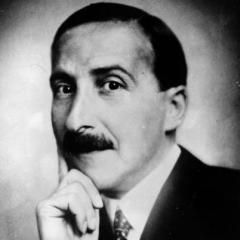
Stefan Zweig
Stefan Zweig

Stefan Zweig, born on November 28, 1881 in Vienna, was an Austrian novelist, playwright, and biographer. Known for his profound psychological insights and unique narrative style, he is a significant figure in European literature at the beginning of the 20th century. more

You May Also Like

“The vicious circle is perfect: foreign debt and foreign investment oblige us to multiply exports that they themselves devour. The task can't be accomplished with gentlemanly manners. To fulfill their function as hostages of foreign prosperity, Latin American workers must be held prisoner, either inside or outside of the jails.”

“We will be amazed to find how much our survival depends on others and how little control over our brand life is really in our hands. It is strange how many crucial elements we skim over every day and how much our brand depends on other variables and entities to perform effectively in a disruptive marketplace.”

“God's Word . . . acts as a spiritual sobriety test. The Holy Spirit, the Spirit of truth, gave it to us to enable us to escape walking anymore by the foolish, darkened influence of our own hearts. We must place it above our own feelings and intellect and submit to its judgment. While ignorant, self-flattering people prefer their own subjective brand of guidance, we can trust God's Word to tell us the truth and nothing but the truth, so help us, God. Commit yourself right now to allowing the truth of God's Word to impact your life even when it makes you feel uncomfortable.”

“If the adoption of ploughing increased a village's population from a hundred to 110, which ten people would have volunteered to starve so that the others could go back to the good old time? There was no going back. The trap snapped shut. The pursuit of an easier life resulted in much hardship, and not for the last time. It happens to us today. How many young college graduates have take demanding jobs in high-powered firms, vowing that they will work hard to earn money that will enable them to retire and pursue their real interests when they are thirty-five? But by the time they reach that age, they have large mortgages, children to school, houses in the suburbs that necessitate at least two cars per family, and a sense that life is not worth living without really good wine and expensive holidays abroad.”