“The more ideas they had the more they suffered.”
Quote by Gustave Flaubert
Work
Bouvard and Pécuchet with The Dictionary of Received Ideas
Browse quotes and source details for this work. more
Author
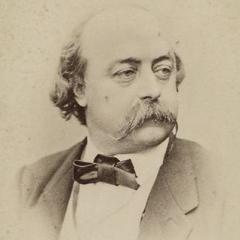
Gustave Flaubert
Gustave Flaubert, born on December 12, 1821 and died on May 8, 1880, was a prominent French writer of the 19th century. Known for his exquisite literary skills and profound psychological portrayals, Flaubert is best remembered for his masterpiece 'Madame Bovary'. more
You May Also Like
Source: Vierundzwanzig Stunden aus dem Leben einer Frau: Stefan Zweig erzählt die noch einmal aufflackernde Leidenschaft einer fast erkalteten Dame
“If there were no suffering, man would not know his limitations, would not know himself.”
Source: War and Peace
Source: Pilgrimage
Source: Man's Search for Meaning
“If we did not feel the bitterness of his anger, we would not so sweetly relish His love.”
Source: Trouble of Mind and the Disease of Melancholy: Written for the Use of Such As Are or Have Been Exercised by the Same
Source: Walk Through Walls: A Memoir
Source: Anthrazit
Source: Memoirs of a Gnostic Dwarf
Source: Hidden Treasures: Finding Hope at the End of Life's Journey