“I do think it is their husbands’ faults if wives do fall: say that they slack their duties and pour our treasures into foreign laps, or else break out in peevish jealousies, throwing restraint upon us, or say they strike us, or scant our former having in despite. Why, we have galls; and though we have some grace, yet have we some revenge. Let husbands know their wives have sense like them: they see and smell and have their palates both for sweet and sour, as husbands have. What is it that they do when they change us for others? Is it sport? I think it is. And doth affection breed it? I think it doth. Is’t frailty that thus errs? It is so too. And have not we affections, desires for sport, and frailty, as men have? Then let them use us well, else let them know the ills we do their ills instruct us so.”
Quote by William Shakespeare
Work
Othello is a Shakespearean tragedy that delves into the complexities of human emotions, particularly jealousy and betrayal. The story revolves around the protagonist, Othello, a Moorish general, and his wife, Desdemona. The narrative unfolds as Othello's jealousy leads to tragic consequences. more
Author
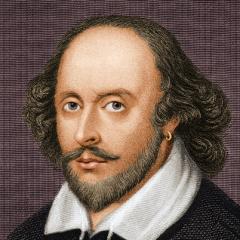
William Shakespeare (1564 - April 23, 1616) was one of the greatest poets of the English Renaissance, renowned for his dramatic works. His plays spanned a variety of genres, including tragedy, comedy, and history, and have had a profound impact on literature worldwide. more
You May Also Like
“It is their attachment to us rather than their independence from us that we value in our pets.”
“She had an internal battle between letting go and holding on to tradition.”
“We are our culture and tradition; if there is no culture or tradition we are no one.”