“I know more about my father than I used to know: I know he wanted to be a pilot in the war but could not, because the work he did was considered essential to the war effort… I know he grew up on a farm in the backwoods of Nova Scotia, where they didn’t have running water or electricity. This is why he can build things and chop things… He did his high school courses by correspondence, sitting at the kitchen table and studying by the light by a kerosene lamp; he put himself through university by working in lumber camps and cleaning out rabbit hutches, and was so poor he lived in a tent in the summers to save money… All this is known, but unimaginable. Also I wish I did not know it. I want my father to be just my father, the way he has always been, not a separate person with an earlier, mythological life of his own. Knowing too much about other people puts you in their power, they have a claim on you, you are forced to understand their reasons for doing things and then you are weakened.”
Quote by Margaret Atwood
Book:Cat’s Eye
Work
Author
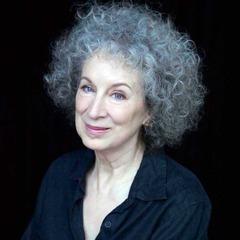
Margaret Atwood
Margaret Atwood is a renowned Canadian poet, novelist, playwright, and critic, born on November 18, 1939. Her works are known for their unique style and profound insights into social issues, with notable titles including 'The Handmaid's Tale' and 'Cat's Eye'. more
You May Also Like
“If he could only prevent himself growing up! He did not want to be a man.”
Source: Jude the Obscure
Source: High Wire Darlings
Source: The Grooming of Alice
Source: Finnikin of the Rock
Source: Between the Lines
Source: A Storm of Swords
Source: Dear Killer
Source: The Mirror of Maybe
Source: The Mirror of Maybe