Quotessence
Home / Quotes / Quote by Thomas Hardy

Quote by Thomas Hardy

“Tess's feminine hope - shall we confess it - had been so obstinately recuperative as to revive in her surreptitious visions of a domiciliary intimacy continued long enough to break down his coldness even against his judgement. Though unsophisticated in the usual sense, she was not incomplete; and it would have denoted deficiency of womanhood if she had not instinctively known what an argument lies in propinquity. Nothing else would save her, she knew, if this failed. It was wrong to hope in what was of the nature of strategy, she said to herself; yet that sort of hope she could not extinguish. His last representation had now been made, and it was, as she said, a new view. She had truly never though so far as that, and his lucid picture of possible offspring who would scorn her was one that brought deadly conviction to an honest heart which was humanitarian to its centre. Sheer experience had already taught her that, in some circumstances, there was one thing better than to lead a good life, and that was to be saved from leading any life whatever. Like all who have been previsioned by suffering, she could, in the words of M. Sully-Prudhomme, hear a penal sentence in the fiat, 'You shall be born,' particularly if addressed to potential issue or hers.”

Quote by Thomas Hardy

Work

Tess of the D’Urbervilles

Browse quotes and source details for this work. more

Author
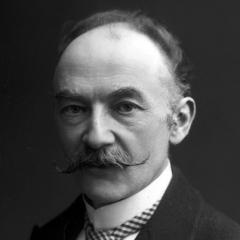
Thomas Hardy
Thomas Hardy

Thomas Hardy, a British novelist born on June 2, 1840, and died on January 11, 1928, is renowned for his novels that depict rural life, reflecting the social changes in 19th-century England. His works often carry a sense of pessimism, depicting the fates of characters with sympathy. more

You May Also Like

“All people want to belong to some sort of hierarchy. Allow me to explain. The rich want to be the richest; the poor want to be the smartest; those who are both rich and smart want to be the better persons; the better persons want to go to heaven; those who are in heaven will look down upon those who are in hell... there is always some kind of hierarchy desired by everyone; even by those who claim the opposite of this. So how do you find true divinity? Divinity is found in those who reach down low; because it is those who are above who must reach down low, while it is those who are below who must constantly reach for what is above! And this is divinity. What is divine, is what will have a curiosity in what is below. There is no fear of becoming "tainted"; because what is lesser can never really taint what is greater. it is what is greater than is able to transform what is lesser. The alchemist must first find the mud, pick it up, before she is able to transform it into diamond.”

“Technology isn’t what makes us “post-human” or “transhuman,” as some writers and scholars have recently suggested. It’s what makes us human. Technology is in our nature. Through our tools we give our dreams form. We bring them into the world. The practicality of technology may distinguish it from art, but both spring from a similar, distinctly human yearning.”

“Theistic claims that supernatural agency exists in the universe derive from ancient traditions of belief. The word 'atheist' is a theist's term for a person who does not share such beliefs. Theists think that atheists have a belief or set of beliefs, just as theists do but in the opposite sense, about theism-related questions. This is a mistake; atheists certainly have beliefs about many things, but they are not 'theistic-subject-matter-related beliefs' in any but a single negative sense. For atheism is the absence of 'theistic-subject-matter-related belief. Although it is true that 'absence of belief in supernatural agency' is functionally equivalent to 'belief in the absence of supernatural agency', theists concentrate on the latter formulation in order to make atheism a positive as opposed to privative thesis with regard to theistic-subject-matter-related matters. This is what makes theists think they are in a kind of belief football match, with opposing sets of beliefs vying for our allegiance. What is happening is that the theists are rushing about the park kicking the ball, but the atheists are not playing. They are not even on the field; they are in the stands, arguing that this particular game should not be taking place at all.”

“ရာဇဝင်အဆက်ဆက်မှာ လူမျိုးအချင်းချင်းပေါင်းပြီး လူမျိုးသစ်ဖြစ်လာတာ၊ လူမျိုးတစ်မျိုးက တစ်မျိုးကို မျိုသွားတာတွေ ရှိသားပဲ။ တရုတ်ခေါ်ခေါ်၊ အင်္ဂလိပ်ခေါ်ခေါ် လူတွေလည်း လူလူချင်း ရောနှောသွားတာပဲ၊ အထွေးတော့ ဘာမှ ကန့်ကွက်စရာမရှိပါဘူး၊ ဗမာမှ ယူမယ် စိတ်မကူးပါဘူး။ တကယ်တော့ ဂျာမန်ကောင်းကင်မှာ ဂျူးလူမျိုးတွေ ပြာကျတဲ့ အငွေ့နဲ့ မှောင်မည်းသွားတဲ့ အဖြစ်မျိုးသာ ကြောက်စရာ ရွံ့စရာပါ။”

“I am afraid of those who are too simple on the outside; for their vanities they wear upon their hearts. Better to meet a person who wears their vanities out in the open where you can see them! Than one who hides them in their hearts! For it is the stuff of the heart that is hidden; while the stuff on the outside is not. And we are all vain; the difference is where we put it! I would rather meet a person vain on the outside; while possessing the simplest of hearts.”

“It opens the mind toward an understanding of human nature and destiny. It increases wisdom. It is the very essence of that much misinterpreted concept, a liberal education. It is the foremost approach to humanism, the lore of the specifically human concerns that distinguish man from other living beings. . . . Personal culture is more than mere familiarity with the present state of science, technology, and civic affairs. It is more than acquaintance with books and paintings and the experience of travel and of visits to museums. It is the assimilation of the ideas that roused mankind from the inert routine of a merely animal existence to a life of reasoning and speculating. It is the individual’s effort to humanize himself by partaking in the tradition of all the best that earlier generations have bequeathed.”