Quotessence
Home / Quotes / Quote by Fernando Pessoa

Quote by Fernando Pessoa

Work

The Book of Disquiet

Written by Fernando Pessoa, this work is a collection of fragments and thoughts that delve into the human condition, offering a unique perspective on the complexities of life and consciousness. more
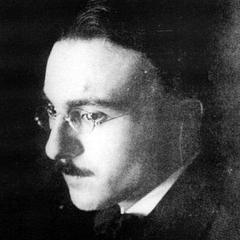
Author

Fernando Pessoa
Fernando Pessoa

Portuguese poet known for his unique narrative style and rich inner world. Fernando Pessoa is considered one of the most influential writers of the 20th century, and his works are still widely studied and discussed today. more

You May Also Like

“كان مصير الخيميائيين القدماء هو الفشل؛ لأنه ببساطة من غير الممكن تحويل العناصر باستخدام الطاقة الكيميائية، أي الطاقة المستخدمة في صنع وكسر الروابط بين الذرات، لكن تغيّر كل شئ باكتشاف النشاط الاشعاعي.. هذا هو مجال الكيمياء النووية، فبدلًا من خلط العناصر لتكوين مركبات جديدة، كما يفعل معظم الكيميائيين، فإن الكيميائي النووي يجبر الجسيمات دون الذرية على الارتباط ضمن علاقات جديدة داخل أنوية الذرة.”

“Unul dintre marile paradoxuri ale vietii este acela ca din constiinta de sine decurge o stare de anxietate. Contopirea elimina anxietatea intr-o maniera radicala – prin eliminarea constiintei de sine. Persoana care s-a indragostit si a patruns intr-o stare extatica de contopire cu obiectul dragostei sale nu se mai gandeste la sine, pentru ca stingherul si dilematicul eu (alaturi de angoasa insotitoare a izolarii) se dizolva in noi.”

“Ian held the serving dish while Helen carefully placed on each white plate five squares of ravioli no thicker than paper, their edges crinkled, their surfaces kissed with melted butter, scattered with bits of shallots and hazelnuts, like rice thrown at a wedding. They each took their places at the table. "Happy Thanksgiving, everyone," Lillian said, raising her glass. They sat for a moment, simply looking. The smell from their plates rose with the last bits of steam, butter releasing whispers of shallots and hazelnuts. Antonia raised a bite to her mouth. A quick crunch of hazelnut, and then the pasta gave way easily to her teeth, the pumpkin melting across her tongue, warm and dense, with soft, spicy undercurrents of nutmeg.”

“C'est à René Cassin que nous devons le terme de droits « universels » et non « internationaux » comme le proposaient nos amis anglo-saxons. Car là est bien l'enjeu au sortir de la seconde guerre mondiale : s'émanciper des menaces que le totalitarisme a fait peser sur l'humanité. Pour s'en émanciper, il faut obtenir que les États membres de l'ONU s'engagent à respecter ces droits universels. C'est une manière de déjouer l'argument de pleine souveraineté qu'un État peut faire valoir alors qu'il se livre à des crimes contre l'humanité sur son sol. Ce fut le cas d'Hitler qui s'estimait maître chez lui et autorisé à provoquer un génocide.”