“Style is the answer to everything. A fresh way to approach a dull or dangerous thing To do a dull thing with style is preferable to doing a dangerous thing without it To do a dangerous thing with style is what I call art Bullfighting can be an art Boxing can be an art Loving can be an art Opening a can of sardines can be an art Not many have style Not many can keep style I have seen dogs with more style than men, although not many dogs have style. Cats have it with abundance. When Hemingway put his brains to the wall with a shotgun, that was style. Or sometimes people give you style Joan of Arc had style John the Baptist Jesus Socrates Caesar García Lorca. I have met men in jail with style. I have met more men in jail with style than men out of jail. Style is the difference, a way of doing, a way of being done. Six herons standing quietly in a pool of water, or you, naked, walking out of the bathroom without seeing me.”
Quote by Charles Bukowski
Author
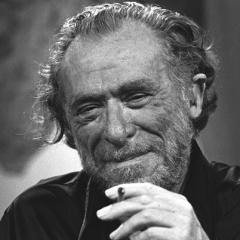
Charles Bukowski
Charles Bukowski, born on August 16, 1920, was an influential American poet. Known for his unique style and profound depiction of the lives of the underclass in America, he is considered one of the representatives of the Beat Generation. more
You May Also Like
Source: Brutes
Source: Combats et métamorphoses d'une femme
Source: The Penelopiad
Source: Walking on the Ceiling
“It is history's only duty, Lia thought: ensuring daughters are brighter than their mothers.”
Source: Maps of Our Spectacular Bodies
Source: Circle of Life: Inspirational Poetry for Mothers and Other Carers
Source: Hungry Ghosts
Source: Old Babes in the Wood: Stories
Source: Chain of Thorns