“When the President does it , that means that it is not illegal.”
Quote by Richard M. Nixon
Author
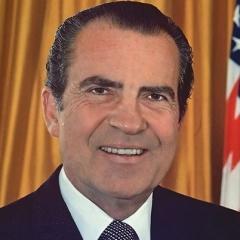
Richard M. Nixon
Richard Milhous Nixon (January 9, 1913 – April 22, 1994) was the 37th president of the United States, serving from 1969 to 1974. A Republican, he previously served as a U.S. representative and senator from California and as the 36th vice president under Dwight D. Eisenhower. Nixon is best known for his Cold War foreign policy, including the historic 1972 visit to China, détente with the Soviet Union, and the gradual withdrawal of U.S. troops from Vietnam. However, his presidency was overshadowed by the Watergate scandal, leading to his resignation—the only such case in U.S. history. His legacy remains complex, marked by significant diplomatic achievements and profound ethical failures. more
You May Also Like
“Stand up for Truth even it means standing alone.”
Source: Rise Up and Salute the Sun: The Writings of Suzy Kassem
“Stand up for what is fair against the unfair.”
Source: Rise Up and Salute the Sun: The Writings of Suzy Kassem
Source: Rise Up and Salute the Sun: The Writings of Suzy Kassem
“You are not for the left or right team, but for what is right against the wrong.”
Source: Rise Up and Salute the Sun: The Writings of Suzy Kassem
Source: Crash into You
Source: Rise Up and Salute the Sun: The Writings of Suzy Kassem
Source: Reign of Error: The Hoax of the Privatization Movement and the Danger to America's Public Schools
“Men who have been in war have a different attitude about being wronged.”
Source: Monarchs and Mendicants