Quotessence
Home / Quotes / Quote by David Mitchell

Quote by David Mitchell

Work

Cloud Atlas

David Mitchell's Cloud Atlas is a complex and ambitious work that weaves together six distinct stories, each narrated by a different character. These narratives span a wide range of historical and geographical settings, from the 19th-century South Pacific to a dystopian future. The novel explores themes of identity, fate, and the interconnectedness of human lives, with each story influencing and enriching the others. Mitchell's writing is both lyrical and thought-provoking, challenging readers to consider the nature of existence and the impact of individual actions on the world. more
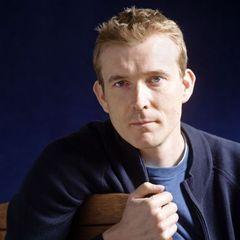
Author

David Mitchell
David Mitchell

David Mitchell is a British novelist known for his unique narrative techniques and profound humanistic concerns. His works often blend humor, satire, and philosophical thinking, winning him a wide audience. more

You May Also Like

“Você que curte cocaína, ácido, MDMA… me explica: para que se sentir pilhado? Eu me sinto pilhada desde que nasci e… que cansaço, pelo amor de Deus. Jura que você precisa de algo “que te tire de você”? Que “te leve daqui”? Eu só quero algo que me devolva a mim. Que me deixe ficar sentada, quieta, calma. Cansei de ser o balão com uma carinha histérica desenhada, preso por uma cordinha fraca que depende da boa vontade de quem segura.”

“Apenas desejo que este livro seja um manancial de luz, paz e amor para quem o ler através da melhoria da saúde evitando-se assim os bloqueios energéticos que originam doenças através das correntes mentais produzidas pelos sentimentos que se refletem no corpo espiritual ou perispírito e mais tarde no corpo físico.”

“No me podía ir, no me podía quedar. Un cigarro. Un cigarro era lo único que me podía ayudar. Los pedí. No tenían y, aunque tuvieran, no se podía fumar ahí. Tenía que salir. Entonces me paré, busqué en mis pantalones y me di cuenta de que tenía una cajetilla de la cual dos cigarros todavía eran salvables. Pedí cerillos, me los dieron y salí. Roberto estaba afuera. Entonces recordé que habíamos quedado de vernos en la entrada y no en el bar. Al recordar eso, toda mi ansiedad tomó piso; mis manos dejaron de incomodarme, mis pies permanecieron calmados y mis dientes dejaron de mutilar mi labio inferior. Él estaba de espaldas, sentado en la banqueta, con la mirada hacia la calle, fumando. Me senté a su lado, tomé su cigarro, encendí el mío e inhalé profundamente. Lo volteé a ver. Lo observé detenidamente, como si tratara de descifrar algo en su perfil. No me importó que la pesadez de mi mirada lo incomodara. Aún así, parecía no hacerlo; él seguía con la mirada hacia Central Park, fumando, como si nada lo observara, como si la persona que estaba a su lado no estuviera tan cerca, tan atento, como si nadie quisiera encontrar en él algo más, algo peculiar y encantador, algo cautivador, como si el mundo no tuviera expectativas de él y, por eso, no le importara decepcionar a nadie. Así seguía él, como si nada. Y eso me dio paz.”

“In a higher phase of communist society, after the enslaving subordination of the individual to the division of labor, and therewith also the antithesis between mental and physical labor, has vanished; after labor has become not only a means of life but life's prime want; after the productive forces have also increased with the all-around development of the individual, and all the springs of co-operative wealth flow more abundantly—only then can the narrow horizon of bourgeois right be crossed in its entirety and society inscribe on its banners: From each according to his ability, to each according to his needs!”