“I have come to accept that fear is a given of life, at least for me. But there is one thing I can commit myself to: I will not let fear stop me from doing what I don't want to do.”
Quote by David Richo
Work
How to Be an Adult in Relationships: The Five Keys to Mindful Loving
This book explores the complexities of adult relationships and offers strategies for fostering mindful and loving connections. It delves into the five essential keys to mindful loving, providing insights and practical advice for readers seeking to improve their relational dynamics. more
Author
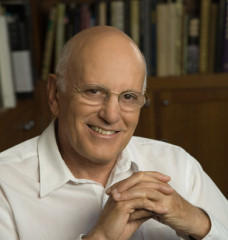
David Richo
David Richo is an American writer born in 1940. His works primarily focus on personal growth, spiritual cultivation, and interpersonal relationships, which are well-received by readers. more
You May Also Like
“Fear can make something beautiful appear ugly.”
Source: Beautiful Ugly
Source: The Familiar
Source: Let This Radicalize You: Organizing and the Revolution of Reciprocal Care
“Any move you make Moves you. Whether craved or feared. Any change changes you.”
“ليس هناك آهة إلا ويسمعها، ولا ألم إلا ويعلم موضعه، ولا زفرة إلا ويرى نيرانها في الفؤاد”
Source: لأنك الله: رحلة إلى السماء السابعة
“It's useless being hung up over something that you can't prove.”
Source: Goodbye, Things: The New Japanese Minimalism
Source: Chasing Peace: A Story of Breakdowns, Breakthroughs, and the Spiritual Power of Neuroscience
Source: The Bjornlinga Saga #1