Quotessence
Home / Quotes / Quote by Rosemary Sutcliff

Quote by Rosemary Sutcliff

“Rain it did, and that night in the atrium of the old farmhouse, they could here it hushing and pattering on the roof and among the broad leaves of the fig-tree outside; and the little breath of air from the open door that scarcely stirred the flame of the lamp on the table bore with it that most wonderful of all smells, the throat-catching heart-catching scent of rain on a hot and thirsty earth.”

Quote by Rosemary Sutcliff

Work

Rudyard Kipling

Rudyard Kipling's writings encompass a range of genres, from adventure to fantasy, and are celebrated for their vivid imagery and storytelling. His works often explore themes of colonialism, adventure, and the human condition. more

Author

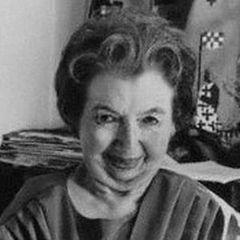
Rosemary Sutcliff
Rosemary Sutcliff

Rosemary Sutcliff was a British historical novelist renowned for her historical fiction, particularly her works set during the Roman period and the Dark Ages. Born on December 14, 1920, and passing away on July 23, 1992, Sutcliff's meticulous research and evocative storytelling have left a lasting impact on the genre. more

You May Also Like

“What is it?" I asked. "Rain," she said. "It's too early for rain." "That's what you think. Open the door. You'll see." I turned off the air conditioner so that we could hear better, slid open the glass door -- and the soft thunder of rain falling onto sand curtained us in. Deaf, we would still have known it was raining: smell would have told us; the smell of dry earth watered, of dehydrated vegetation reconstituted, the smell of resurrection. The first rain in a dry land! It smells better than lilies in July, or the ocean, or the wind in sun-warmed pines, or the irrigated patch of alfalfa you reach after a long haul through dry hills. It is hard to smell that sweetness and believe in death.”

“OUCH "The arrabal (a term used for poor neighbourhoods in Argentina and Uruguay) and carpa (informal mobile theatre set up inside tents, once common in Latin America), with their caliente (hot) rhythms such as the rumba or the cha-cha-cha, were conquering audiences all over the world, a trend allegorised in song lyrics about their popularity among the French and other non-Latin Americans - "The Frenchman has fun like this/as does the German/and the Irishman has a ball/as does even the Muslim" ("Cachita") - even as they filtered in the presence of a blackness - "and if you want to dance/look for your Cachita/and tell her "Come on negrita"/let's dance" - denied in the official discourse of those Spanish=speaking countries wielding the greatest economic power in the region: namely, Argentina and Mexico, the latter of which would eventually incorporate Afro-Latin American culture into its cinema - although being careful to mark it as Cuban and not Mexican.”