“Dictatorial regimes in Africa and Latin America that aided America or European interests (resource extraction, investment privileges, strategic support in the cold war) and were, in return, propped up by Western protectors have been called “client fascism,” “proxy fascism,” or “colonial fascism.” One thinks here of Chile under General Pinochet (1974–90) or Western protectorates in Africa like Seko-Seso Mobutu’s Congo (1965–97). These client states, however odious, cannot legitimately be called fascist, because they neither rested on popular acclaim nor were free to pursue expansionism. If they permitted the mobilization of public opinion, they risked seeing it turn against their foreign masters and themselves. They are best considered traditional dictatorships or tyrannies supported from outside.”
Quote by Robert O. Paxton
Work
The Anatomy of Fascism
This book delves into the political ideology of fascism, examining its roots, key features, and the ways it has influenced societies and governments throughout history. more
Author
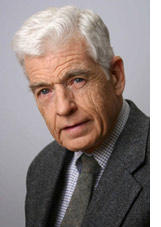
Robert O. Paxton
Robert O. Paxton is a renowned American historian known for his research on 20th-century European history, particularly the history of France. His works delve into the historical background of totalitarianism and racism, significantly influencing the understanding of modern political and social movements. more
You May Also Like
“Proxy wars have us on the edge of the next nuclear disaster!”
“Failing is inevitable, but becoming a failure is a choice.”
“Treachery, disloyalty, cruelty, tyranny ... are our ordinary vices. - Montaigne, "Of Cannibals”
Source: Ordinary Vices
Source: Ordinary Vices
Source: How to Think Like Plato and Speak Like Cicero