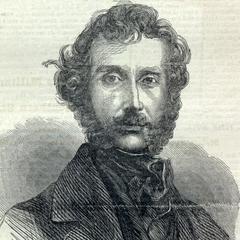
“There are two avenues from the little passions and the drear calamities of earth; both lead to the heaven and away from hell-Art and Science. But art is more godlike than science; science discovers, art creates.” LittlesArtTwoEarthSciencePassionHeavenHellArt IsCalamityAvenuesArt And ScienceGodlike Author:Edward Bulwer-Lytton, 1st Baron Lytton
“The desire of excellence is the necessary attribute of those who excel. We work little for a thing unless we wish for it.” LittlesDesireWishExcellenceAttributesMoral Excellence Author:Edward Bulwer-Lytton, 1st Baron Lytton
“It is noticeable how intuitively in age we go back with strange fondness to all that is fresh in the earliest dawn of youth. If we never cared for little children before, we delight to see them roll in the grass over which we hobble on crutches. The grandsire turns wearily from his middle-aged, careworn son, to listen with infant laugh to the prattle of an infant grandchild. It is the old who plant young trees; it is the old who are most saddened by the autumn; and feel most delight in the returning spring.” IfsFeelsChildrenLittlesAgeYoungTurnsLaughingTreeMiddleYouthStrangeSonSpringPlantDelightDawnGrassAutumnGrandchildrenInfantMiddle AgedFondnessCrutchesSaddened Author:Edward Bulwer-Lytton, 1st Baron Lytton
“Though no participator in the joy of more vehement sport, I have a pleasure that I cannot reconcile to my abstract notions of the tenderness due to dumb creatures in the tranquil cruelty of angling. I can only palliate the wanton destructiveness of my amusement by trying to assure myself that my pleasure does not spring from the success of the treachery I practise toward a poor little fish, but rather from that innocent revelry in the luxuriance of summer life which only anglers enjoy to the utmost.” TryingLittlesDoeI CanJoySportsEnjoyPleasurePoorCreaturesSummerSpringNotionFishesDuesInnocentCrueltyDumbAbstractTendernessAmusementReconcileTranquilTreacheryPractiseAnglingWantonAnglersDestructivenessVehementRevelry Author:Edward Bulwer-Lytton, 1st Baron Lytton
“The desire of excellence is the necessary attribute of those who excel. We work little for a thing unless we wish for it. But we cannot of ourselves estimate the degree of our success in what we strive for; that task is left to others. With the desire for excellence comes, therefore, the desire for approbation. And this distinguishes intellectual excellence from moral excellence; for the latter has no necessity of human tribunal; it is more inclined to shrink from the public than to invite the public to be its judge.” HumansLittlesDesireLeftWishMoralJudgingDegreesIntellectualTasksExcellenceStriveLatterAttributesInvitesShrinksTribunalsMoral Excellence Author:Edward Bulwer-Lytton, 1st Baron Lytton
“Out of the ashes of misanthropy benevolence rises again; we find many virtues where we had imagined all was vice, many acts of disinterested friendship where we had fancied all was calculation and fraud--and so gradually from the two extremes we pass to the proper medium; and, feeling that no human being is wholly good or wholly base, we learn that true knowledge of mankind which induces us to expect little and forgive much. The world cures alike the optimist and the misanthrope.” WorldHumansLittlesTwoFeelingsHuman BeingsVirtueMankindForgivingVicesExtremesMediumsCuresFraudAshesOptimistCalculationsBenevolenceDisinterestedMisanthropyTrue KnowledgeMisanthropeTwo Extremes Author:Edward Bulwer-Lytton, 1st Baron Lytton
“In one of the Welsh counties is a small village called A-----. It is somewhat removed from the high road, and is, therefore, but little known to those luxurious amateurs of the picturesque, who view nature through the windows of a carriage and four.” LittlesBookViewsKnownFourWindowVillageCountyCarriagesLuxuriousWelshHigh RoadPicturesqueSmall Villages Author:Edward Bulwer-Lytton, 1st Baron Lytton
“Society is a long series of uprising ridges, which from the first to the last offer no valley of repose. Whenever you take your stand, you are looked down upon by those above you, and reviled and pelted by those below you. Every creature you see is a farthing Sisyphus, pushing his little stone up some Liliputian mole-hill. This is our world.” WorldFirstsLittlesLongLastsSocietyOffersCreaturesStonesSeriesHillsPushingOur WorldValleysReposeUprisingMolesRidgesSisyphus Author:Edward Bulwer-Lytton, 1st Baron Lytton
“When some one sorrow, that is yet reparable, gets hold of your mind like a monomania,--when you think, because Heaven has denied you this or that, on which you had set your heart, that all your life must be a blank,--oh, then diet yourself well on biography,--the biography of good and great men. See how little a space one sorrow really makes in life. See scarce a page, perhaps, given to some grief similar to your own, and how triumphantly the life sails on beyond it.” ThinkingMenMindWellsHeartLittlesGivenHeavenSpaceGriefSorrowPagesDietsGreat MenDeniedBlankSailBiographiesScarce Author:Edward Bulwer-Lytton, 1st Baron Lytton
“Of all the conditions to which the heart is subject suspense is one that most gnaws and cankers into the frame. One little month of that suspense, when it involves death, we are told by an eye witness in "Wakefield on the Punishment of Death," is sufficient to plough fixed lines and furrows in a convict of five and twenty,--sufficient, to dash the brown hair with grey, and to bleach the grey to white.” HeartLittlesEyeLinesWhiteFiveConditionsSubjectsHairMonthsTwentiesPunishmentWitnessSuspenseFixedSufficientBrownGreyConvictsBleachBrown Hair Author:Edward Bulwer-Lytton, 1st Baron Lytton
“If aught be worse than failure from overstress of a life's prime purpose, it is to sit down content with a little success.” IfsLittlesPurposePrime Author:Edward Bulwer-Lytton, 1st Baron Lytton
“How little praise warms out of a man the good that is in him, as the sneer of contempt which he feels is unjust chill the ardor to excel.” MenFeelsLittlesPraiseContemptUnjustChillSneerArdor Author:Edward Bulwer-Lytton, 1st Baron Lytton
“Of all the weaknesses little men rail against, there is none that they are more apt to ridicule than the tendency to believe. And of all the signs of a corrupt heart and a feeble head, the tendency of incredulity is the surest. Real philosophy seeks rather to solve than to deny.” MenBelieveHeartLittlesRealPhilosophyBeliefWeaknessDenySolveTendenciesRidiculeRailLittle ManIncredulity Author:Edward Bulwer-Lytton, 1st Baron Lytton