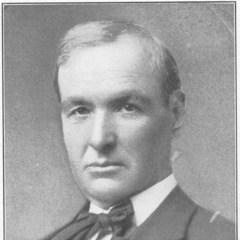
E. W. Howe
E.W. Howe, born on May 3, 1853, in London, Ontario, Canada, was a renowned novelist. His works primarily reflect the changes in Canadian society and culture, enjoying great popularity among readers.
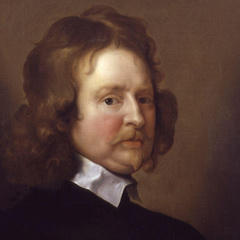
E.W. Howe, born on May 3, 1853, in London, Ontario, Canada, was a renowned novelist. His works primarily reflect the changes in Canadian society and culture, enjoying great popularity among readers.
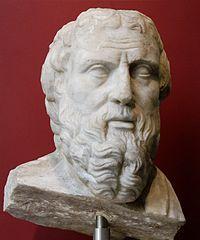
Herodotus, known as the 'Father of History', was a renowned Greek historian. Born in 484 BC and died in 425 BC, he is celebrated for his meticulous research and unique narrative style. His masterpiece, 'The Histories', documents the Greco-Persian Wars and the customs of the regions around them.
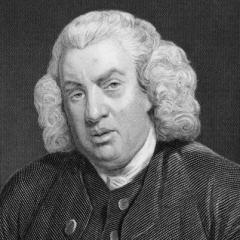
Samuel Johnson was an English writer, poet, and lexicographer, renowned for his comprehensive English dictionary, 'A Dictionary of the English Language', published in 1755. His distinctive writing style and wit have cemented his place as a significant figure in the history of English literature.
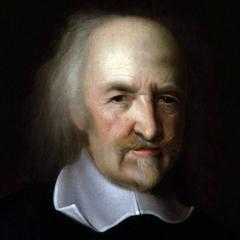
Thomas Hobbes, a British philosopher, politician, historian, economist, and writer, was born on April 5, 1588, in Wiltshire, and died on December 4, 1679, in Oxford, England. Hobbes is considered one of the most important philosophers of the 17th century, known for his profound analysis of the state, society, and human behavior.
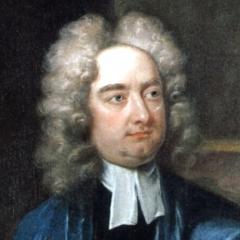
Jonathan Swift, born on November 30, 1667, and died on October 19, 1745, was an Irish writer, satirist, and politician, renowned for his satirical works.
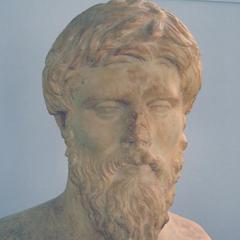
Plutarch, a renowned Greek historian and biographer, was born in 45 AD and died in 120 AD. His works are characterized by rigorous historical research and profound moral contemplation, having a profound impact on later generations.
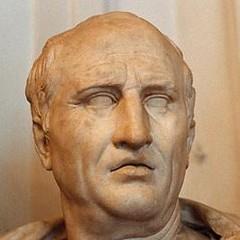
Marcus Tullius Cicero was a prominent philosopher, politician, lawyer, orator, and writer during the late Roman Republic. The exact dates of his birth and death are unknown, but he was active in the 1st century BC. Known for his profound thoughts and exceptional literary style, Cicero has had a lasting impact on Western culture.
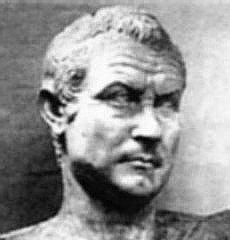
Plautus (254 BC - 184 BC) was one of the most famous Roman comic playwrights. His works are renowned for their wit, humor, and satirical commentary on social customs, exerting a profound influence on later drama.
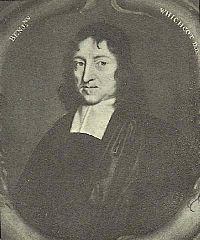
Benjamin Whichcote (1609-1683) was an influential philosopher and educator in 17th-century England. His specific profession and career are not well-documented in historical sources.
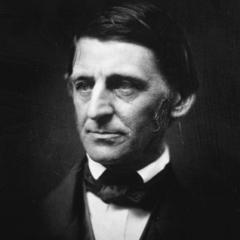
American essayist, poet, and philosopher. Born on May 25, 1803, and died on April 27, 1882. Known for his transcendentalist philosophy, his works have had a profound impact on literature and the intellectual world.