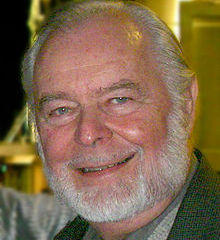
“The Civil War was started over economic issues, not slavery. The War was not popular in the North until the issue of slavery was added at a later time to turn it into a moral crusade.” WarTurnsMoralIssuesEconomicSlaveryCivil WarCrusadesEconomic Issues Author:G. Edward Griffin
“In the North, neither greenbacks, taxes, nor war bonds were enough to finance the war. So a national banking system was created to convert government bonds into fiat money, and the people lost over half of their monetary assets to the hidden tax of inflation. In the South, printing presses accomplished the same effect, and the monetary loss was total.” PeopleWarEnoughGovernmentLostLossHalfEffectsTaxesPressesSouthFinanceCivil WarAccomplishedAssetsBankingInflationPrintingMonetaryPrinting PressBanking System Author:G. Edward Griffin
“In the North, the sale of government bonds was the one measure for raising funds that seemed to work. Even that, however, with the lure of compounded interest to be paid in gold at a future date, failed to raise more than about half the needed amount. So the Union faced a real dilemma. The only options remaining were (1) terminate the war or (2) print fiat money. For Lincoln and the Republicans who controlled Congress, the choice was never seriously in doubt.” WarRealGovernmentChoicesInterestHalfDoubtAmountNeededRepublicanGoldPaidRaisesUnionsCongressCivil WarFundPrintControlledDilemmaLure Author:G. Edward Griffin
“American banks may have been unable to supply adequate loans, but the Rothschild consortium in Britain was both able and willing. It was during this time that the Rothschilds were consolidating their new industrial holdings in the United States through their agent, August Belmont. Derek Wilson tells us: "They owned or had major shareholdings in Central American ironworks, North American canal construction companies, and a multiplicity of other concerns. They became the major importers of bullion from the newly discovered goldfields".” MayHas BeensWarStatesAbleUnitedCompanyUnited StatesWillingMajorsConcernAgentsCivil WarBritainConstructionAdequateLoanAugustMultiplicityWilsonCanalsRothschildConstruction Company Author:G. Edward Griffin
“The nation's first experiment with the income tax was tried at this time; another violation of the Constitution.” FirstsWarNationsTaxesConstitutionExperimentsIncomeCivil WarViolationIncome Tax Author:G. Edward Griffin
“During the fiscal year ending in 1861, expenses of the federal government had been $67 million. After the first year of armed conflict they were $475 million and, by 1865, had risen to one billion, three-hundred million dollars. On the income side of the ledger, taxes covered only about eleven per cent of that figure. By the end of the war, the deficit had risen to $2.61 billion. That money had to come from somewhere.” YearsFirstsWarEndsGovernmentThreeSidesMillionsFiguresConflictTaxesHundredDollarsBillionsIncomeCivil WarExpensesCoveredCentsFederal GovernmentDeficitElevenMillion DollarsRisenArmed Conflict Author:G. Edward Griffin
“Converting the war into an antislavery crusade was a brilliant move on Lincoln's part, and it resulted in a surge of voluntary recruits into the Union army. But this did not last. Northerners may have disapproved of slavery in the South but, once the bloodletting began in earnest, their willingness to die for that conviction began to wane. [...] Lincoln faced the embarrassing reality that he soon would have no army to carry on the crusade.” MayWarRealityLastsMovingDiesArmySlaveryUnionsSouthConvictionBrilliantCivil WarWillingnessEmbarrassingEarnestCrusadesConvertingRecruitNorthernersBloodletting Author:G. Edward Griffin
“The European powers had been anxious to see the United States become embroiled in a civil war and eventually break into two smaller and weaker nations. That would pave the way for their further colonization of Latin American without fear of the Americans being able to enforce the Monroe Doctrine.” WayTwoWarStatesAbleNationsUnitedBreakUnited StatesDoctrineCivil WarLatinAnxiousLatin AmericaColonizationLatin AmericanMonroe Doctrine Author:G. Edward Griffin
“Many Southern Plantation owners were working towards the day when they could convert their investment to more profitable industrial production as had been done in the North, and others felt that freemen who were paid wages would be more efficient than slaves who had no incentive to work. For the present, however, they were stuck with the system they inherited. They felt that a complete and sudden abolition of slavery with no transition period would destroy their economy and leave many of the former slaves to starve - all of which actually happened in due course.” WarDoneWould BeCoursesFeltEconomyHappenedPeriodsPaidSlaverySlaveInvestmentProductionsDuesStuckFormerCivil WarOwnersTransitionSouthernEfficientWagesIncentivesProfitableAbolitionFreemanPlantationsAbolition Of Slavery Author:G. Edward Griffin
“If Lincoln's primary goal in the War was not the abolition of slavery but simply to preserve the Union, the question arises: Why did the Union need preserving? Or, more pointedly, why did the Southern states want to secede?” IfsWantNeedsWarStatesGoalSlaveryUnionsArisePrimariesPreservesCivil WarSouthernAbolitionAbolition Of Slavery Author:G. Edward Griffin
“[...] it is generally accepted that the Civil War was fought over the issue of slavery. That, at best, is a half-truth. Slavery was an issue, but the primary force for war was a clash between the economic interests of the North and the South. Even the issue of slavery itself was based on economics.” WarForceInterestHalfIssuesEconomicEconomicsSlaverySouthAcceptedPrimariesCivil WarClashHalf Truth Author:G. Edward Griffin
“There is no time in American history in which there was more economic conflict between segments of the population than there was prior to the Civil War.” WarEconomicConflictPopulationCivil WarAmerican History Author:G. Edward Griffin
“The past record of man is burdened with accounts of assasinations, secret combines, palace plots and betrayals in war. But in spite of this clear record, an amazing number of people have begun to scoff at the possibility of conspiracy at work today. They dismiss such an idea merely a conspiratorial point of view.” PeopleMenIdeasWarTodayPastViewsNumbersSecretClearRecordsPossibilityAccountsBetrayalPoint Of ViewSpitePlotConspiracyPalaces Author:G. Edward Griffin