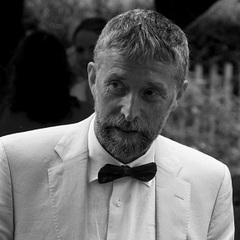
“Now, as at the beginning of the 19th century, there is a certain discovery of Eckhart and related figures. There are questions as to how far our Eckhart accords with the real medieval teacher of that name, but there are certainly images in his work that help us work our way past several of the aporia with which we're confronted in our attempts to think about God.” ThinkingWayRealHelpingPastCertainNamesTeacherCenturyFiguresDiscoveryRelatedMedievalAccord19th Century Author:George Pattison
“Perhaps unsurprisingly, there's a paradox here! Kierkegaard's own indirect communication proposes that we start with the experience of those who don't believe and meet them on their own ground. His success in doing this is evidenced by the fact that, at least for some periods of the 20th century, aspects of his work became a major focus for radical thinkers of various kinds, including the non-religious and, interestingly, a significant number of Jewish thinkers (Buber, Rosenzweig, Taubes, and others).” BelieveKindFactsReligiousNumbersFocusCenturyCommunicationPeriodsMajorsAspectDon't BelieveIncludingVariousSignificantRadicalParadoxThinker20th CenturyProposeIndirectSignificant NumbersNon Religious Author:George Pattison
“It's strange that in an age when we pride ourselves on our independence of thought we meekly submit without further question to the declaration of a clearly unbalanced nineteenth century philosopher that God is dead! That's cheeky, of course - and one rarely comes away from reading Nietzsche without learning something new and significant. He's certainly FAR more unsettling for faith than any contemporary atheist I know of.” KnowsAgeCoursesReadingCenturyStrangePrideIndependenceAtheistPhilosopherSignificantContemporarySomething NewSubmitDeclarationNineteenth CenturyUnbalancedGod Is DeadLearning Something NewCheekyIndependence Of Thought Author:George Pattison