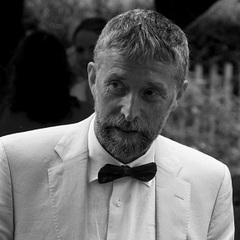
“It seems that just Being, the sheer fact of existence, that there is something rather than nothing, already inspires a wonder akin to religion. But - as in my comment about the Kingdom of God in the last answer - Jewish and Christian traditions are also prepared to challenge what 'is' for the sake of what could be.” FactsSeemsChristianLastsChallengesAnswersExistenceWonderInspireTraditionPreparedSakeKingdomsCommentJust BeingSheerKingdom Of God Author:George Pattison
“Of course, it's always difficult to disentangle fact from fiction in relation to, e.g., the singularity project. Many scientists I know are dismissive of transhumanist claims, BUT the last 100 years has surely taught us never to underestimate the pace and scope of scientific progress. However, even if much of this turns out to be science-fiction, it also reveals a way of thinking about human life that I find deeply troubling.” IfsThinkingKnowsWayYearsHumansFactsLastsTurnsCoursesDifficultFictionProgressTaughtProjectsScientistClaimsRelationScience FictionHuman LifePaceUnderestimateScopeWay Of ThinkingTaught UsSingularityScientific Progress Author:George Pattison
“Essentially I see the new atheism as largely part of the crisis of the left. Having failed to carry through its agenda in relation to political and economic life it's rounding on religion, ignoring the fact that, in some key respects, many believers are likely to share leftist aspirations.” FactsPoliticalLeftShareAtheismEconomicKeysRelationCrisisBelieverAspirationAgendasLeftists Author:George Pattison
“At a theoretical level, I think a naturalist approach to religion is just asking questions I'm not interested in. They're perfectly legitimate in their own terms, but they don't address the actual experience of how one or other aspect of religion becomes existentially meaningful to us in our actual lives. The fact that we ourselves are the subject of investigation makes all the difference.” ThinkingFactsTermDifferencesLevelsSubjectsApproachAspectAskingMeaningfulAddressesInvestigationNot InterestedTheoreticalAsking QuestionsNaturalistActual Life Author:George Pattison
“I'm not sure if Cupitt himself still uses this term, but it's useful in suggesting that, actually, there are more choices than the choice between nihilism and faith. In fact, the issue may not be faith as such but the fact that for millennia, Christianity has buttressed itself with a particular kind of metaphysics that has now seemingly reached the end of its life-span. But perhaps Buddhist metaphysics could provide an alternative here - or, at least, offer a direction of travel.” IfsKindMayStillsEndsFactsUseChoicesTermChristianityIssuesParticularOffersBuddhistAlternativesNot SureMetaphysicsNihilismSuggestingLife Span Author:George Pattison
“Perhaps unsurprisingly, there's a paradox here! Kierkegaard's own indirect communication proposes that we start with the experience of those who don't believe and meet them on their own ground. His success in doing this is evidenced by the fact that, at least for some periods of the 20th century, aspects of his work became a major focus for radical thinkers of various kinds, including the non-religious and, interestingly, a significant number of Jewish thinkers (Buber, Rosenzweig, Taubes, and others).” BelieveKindFactsReligiousNumbersFocusCenturyCommunicationPeriodsMajorsAspectDon't BelieveIncludingVariousSignificantRadicalParadoxThinker20th CenturyProposeIndirectSignificant NumbersNon Religious Author:George Pattison