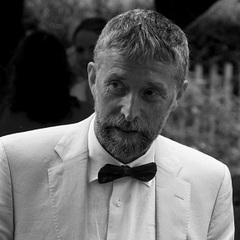
“I'm not sure that I 'am' a philosopher - but I do engage with questions that are generally recognized as philosophical questions, such as the character of human existence and what makes for a good human life.” HumansCharacterExistencePhilosophicalPhilosopherHuman LifeNot SureHuman ExistencePhilosophical Questions Author:George Pattison
“Perhaps this is an area where every generation starts from scratch. Although the crisis of the First World War inaugurated an especially strong period of disillusion with regard to the optimism of the previous age, the pattern has repeated itself in many ways in more recent times, e.g., the loss of faith in politics as a means of advancing human well-being. And perhaps this also has to do with basic elements in growing up.” WorldWayFirstsHumansWellsMeanWarAgeStrongLossGrowing UpGrowingGenerationsPeriodsElementsAreasOptimismRegardCrisisPatternsWell BeingWar Of The WorldsWorld War IScratchesAdvancingDisillusionFirst World WarLoss Of Faith Author:George Pattison
“However, in brief, I think the connecting of 'God' and 'Being' is one of these things for which there seems to be a natural impulse in human thinking but it can also lead to confusions. Religious believers mostly want to see God as the epitome of what is most really real and in some non-theistic contexts, people talk simply of 'Isness'.” PeopleThinkingWantHumansRealSeemsNaturalReligiousBelieverConfusionImpulseConnectingEpitome Author:George Pattison
“Religious life is about something real in human experience that is not constrained by what Wittgenstein called 'all that is the case'. In this sense Heidegger is not simply 'mistaken' - he just asks us, as philosophers mostly do, to think more carefully about what we're saying.” ThinkingHumansRealLife IsAsksReligiousCasesPhilosopherMistakenHuman ExperienceSomething RealReligious LifeHeidegger Author:George Pattison
“Of course, it's always difficult to disentangle fact from fiction in relation to, e.g., the singularity project. Many scientists I know are dismissive of transhumanist claims, BUT the last 100 years has surely taught us never to underestimate the pace and scope of scientific progress. However, even if much of this turns out to be science-fiction, it also reveals a way of thinking about human life that I find deeply troubling.” IfsThinkingKnowsWayYearsHumansFactsLastsTurnsCoursesDifficultFictionProgressTaughtProjectsScientistClaimsRelationScience FictionHuman LifePaceUnderestimateScopeWay Of ThinkingTaught UsSingularityScientific Progress Author:George Pattison
“And one thing the void certainly can teach us is how to wait, how to become truly patient, and how to let go of superfluous intellectual baggage - all of which is a good lesson for hyper-agitated multi-tasking goal-focussed contemporary human beings.” HumansWaitingGoalHuman BeingsTeachOne ThingLessonsLetting GoIntellectualPatientContemporaryVoidBaggageSuperfluousHyperMulti Tasking Author:George Pattison
“Of course, if one's reading Kierkegaard for personal interest that's fine - but it's sloppy scholarship just to cherry pick what suits one from a particular author, whether it's Kierkegaard, Heidegger, or whoever. Nevertheless, it does seem to me that even the more religious parts of the authorship can offer significant insights into the meaning of the human condition to those who can't then say that, e.g., they believe Jesus Christ is the Son of God and their personal Saviour.” IfsBelieveHumansDoeSeemsCoursesReadingJesusInterestChristReligiousConditionsParticularSonFineOffersPicksJesus ChristInsightSignificantSuitsHuman ConditionNeverthelessScholarshipSaviourCherriesAuthorshipSloppyPersonal InterestHeidegger Author:George Pattison
“Sartre is one example of someone who does just this. Every text is, after all, a human document and whatever Kierkegaard thought about God was clearly a matter of human thought that can, in principle, be retrieved and interpreted by other human beings. A phenomenological approach to religion must, it seems to me, adopt the old adage: nothing human is alien to me.” HumansDoeMatterSeemsHuman BeingsPrinciplesExampleApproachAliensDocumentsAdagesHuman Thought Author:George Pattison
“Interpretation is a task that we repeatedly have to take up and start again from the beginning, Sisyphus-like. But, as Camus said, we must always imagine Sisyphus happy, and this is not so difficult when it's a matter of texts that reveal important truths about being human.” HumansSaidImportantMatterDifficultImagineTasksInterpretationBeing HumanSisyphus Author:George Pattison
“Barth's approach tears up any possibility of dialogue between faith and unfaith or between theology and other human sciences. Theology just says what it says on the basis of scripture, and that's that.” HumansPossibilityTearsApproachBasesScriptureTheologyDialogue Author:George Pattison
“Schleiermacher, however, starts by attempting to find what he takes to be a basic element of the human condition as such, namely, that we did not invent ourselves but find ourselves born into a life and a world that precedes us in manifold ways.” WorldWayHumansBornConditionsElementsHuman ConditionAttemptingManifold Author:George Pattison
“For others the mourning is over. Others would say that whilst one God has died - the God of ontotheology perhaps? - this allows for the good news of a God who is to come, a God who will be better able to gather up and give justice to all the manifold aspirations of human life towards goodness and meaning (and not just to those who are able to fit into a narrow 'religious' framework).” GivingHumansAbleReligiousJusticeFitGoodnessNewsDiedHuman LifeMourningAspirationGood NewsFrameworkManifold Author:George Pattison