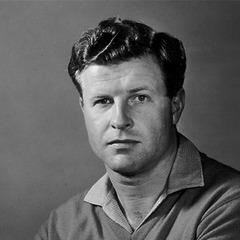
“We must ask why apparently general musical abilities should be restricted to a chosen few in societies supposed to be culturally more advanced. Does cultural development represent a real advance in human sensitivity, or is it chiefly a diversion for elites and a weapon of class exploitation?” ShouldHumansDoeRealAsksAbilityMusicClassDevelopmentWeaponsMusicalChosenSupposed To BeElitesExploitationSensitivityDiversionMusical Ability Book:How Musical is Man? Source: How Musical is Man?
“Thus, if a composer wants to produce music that is relevant to his contemporaries, his chief problem is not really musical, though it may seem to him to be so; it is a problem of attitude to contemporary society and culture in relation to the basic human problem of learning to be human.” IfsWantHumansMayProblemSeemsCultureAttitudeMusicProduceRelationMusicalContemporaryChiefsRelevantComposerHuman ProblemsContemporary SocietySociety And Culture Book:How Musical is Man? Source: How Musical is Man?
“Tshikona is lwa-ha-masia-khali-i-tshi-vhila, "the time when people rush to the scene of the dance and leave their pots to boil over." Tshikona "makes sick people feel better and old men throw away their sticks and dance." Tshikona "brings peace to the countryside...." It is an example of the production of the maximum of available human energy in a situation that generates the highest degree of individuality in the largest possible community of individuals.” PeopleMenFeelsHumansIndividualEnergyCommunitySituationMusicExampleSceneDegreesHighestSickSticksIndividualityProductionsAvailableOld ManPotFeel BetterMaximumCountryside Author:John Blacking