Source: To Love and Be Wise
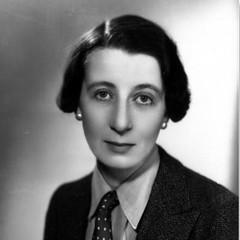
Filter quotes by topic
Famous Josephine Tey Quotes
“I expect this is what death is like when you meet it. Sort of wildly unfair but inevitable.”
Source: A Shilling for Candles
“You can't have a tin can tied to your tail and go through life pretending it isn't there.”
Source: The Franchise Affair
“Horse sense is the instinct that keeps horses from betting on men.”
Source: Three by Tey
Source: The Singing Sands
Source: The Daughter of Time
Source: The Singing Sands
Source: BRAT FARRAR
“Nothing puts things in perspective as quickly as a mountain.”
Source: The Daughter of Time
Source: A Shilling for Candles
“Nothing in this world came out of satisfaction. Except the human race.”
Source: BRAT FARRAR
“Weak people can be very stubborn.”
Source: A Shilling for Candles
“Truth is often terribly thin, don't you think?”
Source: A Shilling for Candles
Source: The Singing Sands
Source: BRAT FARRAR
“It is not possible to love and be wise.”
Source: To Love and Be Wise
“Fasting was good for the imagination but bad for logic.”
Source: A Shilling for Candles
“A man may own a ship, but unless he is captain of a crew he goes where the ship goes.”
“Nothing great ever came out of common sense.”
Source: To Love and Be Wise
“If you think about the unthinkable long enough it becomes quite reasonable.”
Source: The Franchise Affair
Source: The Daughter of Time
“Most people's first books are their best anyways. It's the one they wanted most to write.”
Source: The Daughter of Time
“Lack of education is an extraordinary handicap when one is being offensive.”
Source: The Daughter of Time
Source: The Daughter of Time
“Truth isn’t in accounts but in account-books.”
Source: The Daughter of Time
Source: The Daughter of Time