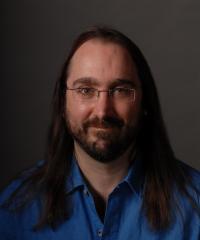
Mark Leiren-Young, born on September 4, 1962, is an accomplished journalist. His career spans a wide range of news fields, including political, social, and cultural reporting. Leiren-Young is known for his in-depth investigative journalism and insightful analysis of complex issues.
Related Quotes
Source: The Killer Whale Who Changed the World
Source: Free Magic Secrets Revealed
“The only intelligence tests orcas don't pass are the ones that require hands.”
Source: Orcas Everywhere: The Mystery and History of Killer Whales
“Scientists warn that if orcas can't survive, we won't either.”
Source: Orcas Everywhere: The Mystery and History of Killer Whales
Source: The Killer Whale Who Changed the World
Source: The Killer Whale Who Changed the World
Source: The Killer Whale Who Changed the World
“Orcas continually prove there are more things in the ocean than are dreamt of in our science.”
Source: Orcas Everywhere: The Mystery and History of Killer Whales
Source: Sharks Forever: The Mystery and History of the Planet’s Perfect Predator
“In 1964, no one was watching whales for fun. Today, every orca in the Salish Sea is a star.”
Source: The Killer Whale Who Changed the World
Source: The Killer Whale Who Changed the World
Source: The Killer Whale Who Changed the World
Source: The Killer Whale Who Changed the World
Source: The Killer Whale Who Changed the World
Source: The Killer Whale Who Changed the World
Source: Orcas Everywhere: The Mystery and History of Killer Whales
Source: Greener Than Thou: Surviving the Toxic Sludge of Canadian Ecopolitics