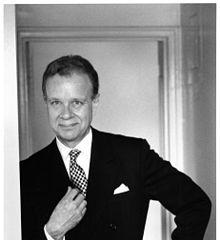
“Nineteenth- and early-twentieth-century exponents of prefabrication were certain it would supplant age-old traditions of individualized design and handcrafted construction. The building art would be revolutionized by freeing designers and construction workers from repetitive tasks, and democratized by making high-style architecture more affordable.” ArtWould BeAgeCertainCenturyStyleDesignBuildingTraditionTasksWorkersArchitectureDesignerConstructionTwentieth CenturyAffordableRepetitiveExponentsConstruction WorkersOld TraditionsHandcrafted Author:Martin Filler
“The tall building, concentrating man in one place more densely than ever before, similarly concentrates the dilemma of our public architecture at the end of the twentieth century: whether the new forms made possible by technology are doomed by the low calculations of modern patrons and their architects.” MenMadeEndsFormTechnologyModernCenturyBuildingLowsArchitectureTallArchitectDoomedTwentieth CenturyDilemmaCalculationsConcentratingPatronTall Buildings Author:Martin Filler
“Architecture traditionally has been the slowest of art forms. It was not unusual for great cathedrals to take centuries to complete, with stylistic changes from Romanesque to Gothic or Renaissance to Baroque as common as the addition of chapels or spires. But because the function remained the same, the form could be flexible and its growth organic.” Has BeensArtFormGrowthCommonCenturyFunctionArchitectureUnusualFlexibleGothicRenaissanceCathedralsChapelBaroqueSpires Author:Martin Filler
“Before the professionalization of architecture in the nineteenth century, it was standard for an aspiring mason or carpenter to begin his apprenticeship at fourteen and to become a master builder by his early twenties.” CenturyMastersStandardsTwentiesArchitectureNineteenth CenturyFourteenBuilderCarpenterMasonsApprenticeship Author:Martin Filler
“During the nineteenth century, the rapid emergence and proliferation of new manufacturing methods and building technologies led to the establishment of polytechnic schools that concentrated on the practicalities of engineering and construction rather than the niceties of stylistic correctness or adherence to established precedent.” SchoolTechnologyCenturyBuildingMethodConstructionEstablishmentEngineeringRapidsManufacturingNineteenth CenturyCorrectnessEmergencePrecedentProliferationPracticalityAdherenceNiceties Author:Martin Filler
“When Oscar Niemeyer died on December 5, 2012, ten days before his 105th birthday, he was universally regarded as the very last of the twentieth century's major architectural masters, an astonishing survivor whose most famous accomplishment, Brasilia, was the climactic episode of utopian High Modern urbanism.” LastsModernCenturyMastersTenMajorsDiedAccomplishmentSurvivorEpisodesOscarsTwentieth CenturyAstonishingDecemberUtopian Author:Martin Filler