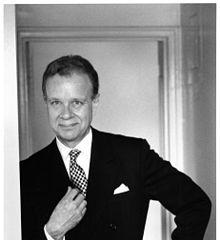
“Nineteenth- and early-twentieth-century exponents of prefabrication were certain it would supplant age-old traditions of individualized design and handcrafted construction. The building art would be revolutionized by freeing designers and construction workers from repetitive tasks, and democratized by making high-style architecture more affordable.” ArtWould BeAgeCertainCenturyStyleDesignBuildingTraditionTasksWorkersArchitectureDesignerConstructionTwentieth CenturyAffordableRepetitiveExponentsConstruction WorkersOld TraditionsHandcrafted Author:Martin Filler
“A turning point in the public's perception of the building art came with the publication of Frank Lloyd Wright's 'An Autobiography' of 1932, a picaresque narrative that captivated many who hadn't the slightest inkling of what architects actually did.” ArtBuildingPerceptionNarrativeArchitectFrankAutobiographyPublicationTurning PointsCaptivatedPicaresque Author:Martin Filler
“All architecture, classical or not, must have some sense of order, and order is much harder to achieve without the straight lines and right angles that have dominated the building art from time immemorial.” ArtOrderLinesAchieveBuildingHarderArchitectureAngleStraight Lines Author:Martin Filler
“Architecture traditionally has been the slowest of art forms. It was not unusual for great cathedrals to take centuries to complete, with stylistic changes from Romanesque to Gothic or Renaissance to Baroque as common as the addition of chapels or spires. But because the function remained the same, the form could be flexible and its growth organic.” Has BeensArtFormGrowthCommonCenturyFunctionArchitectureUnusualFlexibleGothicRenaissanceCathedralsChapelBaroqueSpires Author:Martin Filler
“Avant-garde architects have never been able to depend on the support of the establishment, since the customary patrons of this most conservative and slowly moving art form have historically been resistant to innovation and experiment.” ArtAbleMovingFormSupportDependsInnovationConservativeExperimentsArchitectEstablishmentPatronAvant Garde Book:Makers of Modern Architecture Source: Makers of Modern Architecture
“Despite the persistent image of the architect as a heroic loner erecting monumental edifices through sheer force of will, the building art has always been a highly cooperative enterprise.” ArtForceBuildingDespiteEnterpriseHeroicArchitectSheerPersistentLonerCooperativesEdificeForce Of Will Author:Martin Filler
“Few developments central to the history of art have been so misrepresented or misunderstood as the brief, brave, glorious, doomed life of the Bauhaus - the epochally influential German art, architecture, crafts, and design school that was founded in Goethe's sleepy hometown of Weimar in 1919.” Has BeensArtSchoolDesignDevelopmentBraveArchitectureCraftsGloriousDoomedMisunderstoodInfluentialHometownSleepy Author:Martin Filler
“Masterpieces of art possess immense potential to advance a worldview that could help assuage the societal terrors posed by globalization, the most thoroughgoing socioeconomic upheaval since the Industrial Revolution, which has set off a pandemic of retrogressive nationalism, regional separatism, and religious extremism.” ArtHelpingReligiousRevolutionTerrorNationalismImmenseMasterpieceGlobalizationExtremismWorldviewReligious ExtremismIndustrial RevolutionUpheavalPandemics Author:Martin Filler
“What a museum chooses to exhibit is sometimes less important than how such decisions are made and what values inform them. To have the crucial role of museum professionals usurped by self-serving tycoons in the name of economic imperative threatens not only the integrity of individual institutions but the very principle of art held in public trust.” ArtMadeImportantSelfSometimesValuesNamesIndividualDecisionPrinciplesRolesEconomicTrustIntegrityInstitutionsServingMuseumsCrucialImperativesExhibitsSelf ServingPublic TrustTycoons Author:Martin Filler
“The most basic task of any museum must be the protection of works of cultural significance entrusted to its care for the edification and pleasure of future generations. This imperative rightfully takes precedence over acquisition, interpretation, outreach, or any number of other activities now believed to be crucial to the survival of our great art repositories. Sometimes a museum gains its holdings with much strategic forethought, and at other times serendipitously, as when a long-coveted neighbor’s plot suddenly becomes available. Yet the moral responsibility remains the same.” LongArtSometimesCarePleasureNumbersResponsibilityMoralGenerationsActivitySurvivalGainsTasksRemainsAvailableProtectionNeighborPlotSignificanceInterpretationMuseumsCrucialGreat ArtImperativesFuture GenerationStrategicAcquisitionPrecedenceMoral ResponsibilityForethoughtOutreachEdification Author:Martin Filler