Source: The Complete Works of Samuel Taylor Coleridge: Poetry, Plays, Literary Essays, Lectures, Autobiography and Letters (Classic Illustrated Edition): The Entire Opus of the English poet, literary critic and philosopher, including The Rime of the Ancient Mariner, Kubla Khan, Christabel, Lyrical Ballads, Conversation Poems and Biographia Literaria
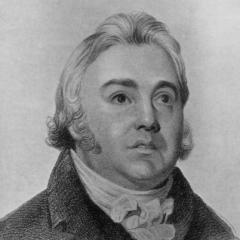
Filter quotes by topic
Famous Samuel Taylor Coleridge Quotes
Source: Samuel Taylor Coleridge - The Major Works
Source: Lectures Upon Shakspeare
Source: Specimens of the Table Talk of Samuel Taylor Coleridge
Source: Specimens of the Table Talk of Samuel Taylor Coleridge
Source: The Complete Works of Samuel Taylor Coleridge: With an Introductory Essay Upon His Philosophical and Theological Opinions
Source: The Complete Works of Samuel Taylor Coleridge: With an Introductory Essay Upon His Philosophical and Theological Opinions
Source: The Friend: a series of essays ... First American, from the second London edition
Source: Specimens of the Table Talk of Samuel Taylor Coleridge
“I feel as if God had, by giving the Sabbath, given fifty-two springs in every year.”
Source: Delphi Complete Works of Samuel Taylor Coleridge (Illustrated)
Source: Specimens of the Table Talk of the Late Samuel Taylor Coleridge: In Two Volumes
“If people could learn history, what lessons it might teach us!”
“If a man is not rising upward to be an angel, depend on it, he is sinking downward to be a devil.”
Source: The Complete Works of Samuel Taylor Coleridge: With an Introductory Essay Upon His Philosophical and Theological Opinions
Source: Specimens of the Table Talk of the Late Samuel Taylor Coleridge: In Two Volumes
Source: Specimens of the table talk
Source: Collected Works of Samuel Taylor Coleridge: Marginalia (5 v.)
“That saints will aid if men will call; For the blue sky bends over all!”
Source: The Complete Works of Samuel Taylor Coleridge: With an Introductory Essay Upon His Philosophical and Theological Opinions
“If you are not a thinking man, to what purpose are you a man at all?.”
Source: Coleridge's Aids to reflection: with the author's last corrections