Quotessence
Home / Authors / Susan Abulhawa
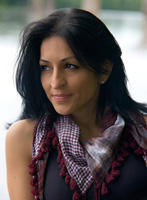
Susan Abulhawa

Susan Abulhawa Quotes

Writer

Filter quotes by topic

Famous Susan Abulhawa Quotes

“كيف يمكن ألا يستطيع الإنسان أن يسير إلى ملكه الخاص؟ أن يزور قبر زوجته؟ أن يأكل ثمار أربعين جيلاً من كدح أسلافه من دون أن يعاقب بالموت رمياً بالرصاص؟ على نحو ما، لم يكن هذا السؤال الفجّ القاسي قد نفذ سابقاً إلي وعي اللاجئين الذين شوشتهم أبدية الانتظار، معلقين آمالهم على قرارات دولية نظرية”

“I have always found it difficult not to be moved by Jerusalem, even when I hated it—and God knows I have hated it for the sheer human cost of it. But the sight of it, from afar or inside the labyrinth of its walls, softens me. Every inch of it holds the confidence of ancient civilizations, their deaths and their birthmarks pressed deep into the city's viscera and onto the rubble of its edges. The deified and the condemned have set their footprints in its sand. It has been conqured, razed and, rebuilt so many times that its stones seem to possess life, bestowed by the audit trail of prayer and blood. Yet somehow, it exhales humility. It sparks an inherent sense of familiary in me—that doubtless, irrefutable Palestinian certainty that I belong to this land. It possesses me, no matter who conquers it, because its soil is the keeper of my roots, of the bones of my ancestors. Because it knows the private lust that flamed the beds of all my foremothers. Because I am the natural seed of its passionate, tempestuous past. I am a daughter of the land, and Jerusalem reassures me of this inalienable right, far more than the yellowed property deeds, the Ottoman land registries, the iron keys to our stolen homes, or UN resolutions and decrees of superpowers could ever do.”

“I have always found it difficult not to be moved by Jerusalem, even when I hated it—and God knows I have hated it for the sheer human cost of it. But the sight of it, from afar or inside the labyrinth of its walls, softens me. Every inch of it holds the confidence of ancient civilizations, their deaths and their birthmarks pressed deep into the city's viscera and onto the rubble of its edges. The deified and the condemned have set their footprints in its sand. It has been conquered, razed and, rebuilt so many times that its stones seem to possess life, bestowed by the audit trail of prayer and blood. Yet somehow, it exhales humility. It sparks an inherent sense of familiarity in me—that doubtless, irrefutable Palestinian certainty that I belong to this land. It possesses me, no matter who conquers it, because its soil is the keeper of my roots, of the bones of my ancestors. Because it knows the private lust that flamed the beds of all my foremothers. Because I am the natural seed of its passionate, tempestuous past. I am a daughter of the land, and Jerusalem reassures me of this inalienable right, far more than the yellowed property deeds, the Ottoman land registries, the iron keys to our stolen homes, or UN resolutions and decrees of superpowers could ever do.”

“Do you know, Mother, that Haj Salem was buried alive in his home? Does he tell you stories in heaven now? I wish I had had a chance to meet him. To see his toothless grin and touch his leathery skin. To beg him, as you did in your youth, for a story from our Palestine. He was over one hundred years old, Mother. To have lived so long, only to be crushed to death by a bulldozer. Is this what it means to be Palestinian?”