“Caddy got the box and set it on the floor and opened it. It was full of stars. When I was still, they were still. When I moved, they glinted and sparkled. I hushed.”
Quote by William Faulkner
Work
The Sound And The Fury
William Faulkner's 'The Sound and the Fury' is a complex and challenging narrative that delves into the lives of the Compson family. The story is told through the perspectives of several characters, each with their own voice and narrative style, and spans several decades. The novel is renowned for its innovative narrative structure, which includes stream-of-consciousness writing and non-linear timelines. It is considered a classic of American literature, known for its exploration of the human psyche and the impact of historical and social forces on individual lives. more
Author
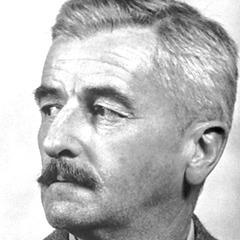
William Faulkner
William Faulkner, an American writer born on September 25, 1897, and died on July 6, 1962. Known for his unique narrative techniques and profound descriptions of Southern society and history, Faulkner is considered one of the great novelists of the 20th century. more
You May Also Like
Source: Hunted: A House of Night Novel
“What you can't run away from, you have to face”
Source: Dante Valentine
“I'm backing down now. I really do love you. That's why I'm doing this.”
Source: Vampire Academy: The Complete Collection