“Although it is easier to find information these days, it is easier than ever before to find misinformation, pseudo-facts, unsupported and fringe opinions, and the like. Children should be taught at an early age what constitutes evidence, how to detect biases or distortions in newspaper accounts, and that there exist hierarchies of information sources. In the medical field, for example, a controlled experiment published in a peer-reviewed journal is a better source than a blog by the Ginseng Growers Association, promoting the health benefits of their own product.”
Quote by Daniel Levitin
Author
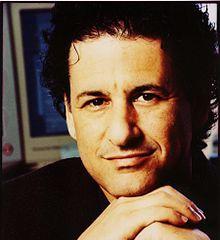
Daniel Levitin
Daniel J. Levitin is a neuroscientist born on December 27, 1957. He is known for his research in music psychology and cognitive neuroscience, contributing significantly to our understanding of how music affects the brain and how the brain processes musical information. more
You May Also Like
Source: The Organized Mind: Thinking Straight in the Age of Information Overload
“No other species lives with regret over past events, or makes deliberate plans for future ones.”
Source: The Organized Mind: Thinking Straight in the Age of Information Overload
Source: The Organized Mind: Thinking Straight in the Age of Information Overload
“The processing capacity of the conscious mind has been estimated at 120 bits per second.”
Source: The Organized Mind: Thinking Straight in the Age of Information Overload