“Gnomic wisdom, however, is notoriously polychrome, and proverbs depend for their truth entirely on the occasion they are applied to. Almost every wise saying has an opposite one, no less wise, to balance it.”
Quote by George Santayana
Work
The Works of George Santayana
This volume encompasses a wide array of Santayana's intellectual contributions, including his reflections on the nature of reality, the role of the individual, and the significance of culture and history. It offers a comprehensive view of his philosophical thought and is considered a foundational work in American philosophy. more
Author
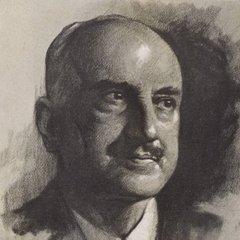
George Santayana
George Santayana was an American philosopher, essayist, and critic renowned for his unique philosophical thoughts and profound insights into culture, art, and science. His philosophy emphasizes individualism, naturalism, and pragmatism, and his works have had a profound impact on 20th-century philosophy and culture. more
You May Also Like
“For all mankind that unstained scroll unfurled, Where God might write anew the story of the World.”
Source: We, the People
Source: 'Salem's Lot
Source: Salem's Lot
Source: Heading for Victory: Or, Getting the Most Out of Life