Quotessence
Home / Quotes / Quote by Fatema Mernissi

Quote by Fatema Mernissi

Work

Dreams of Trespass: Tales of a Harem Girlhood

Browse quotes and source details for this work. more

Author
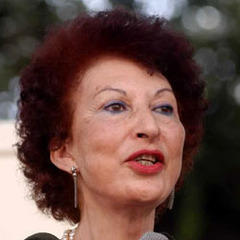
Fatema Mernissi
Fatema Mernissi

Fatema Mernissi was a Moroccan writer and academic, recognized for her contributions to the fields of women's rights and Islamic feminism. Born in 1940 and passing away on November 30, 2015, Mernissi dedicated her life to advocating for gender equality and challenging traditional gender roles in Moroccan society. Her writings often centered on the experiences of women in the Middle East and North Africa, making her a prominent voice in the global conversation on women's rights. more

You May Also Like

“Ein philosophisches Rätsel: Warum schauen bestimmte Tiere wie der Wolf uns spontan in die Augen? Wenn sie dächten, dass wir Köper seinen, die durch physische Kräfte bewegt werden, fallende Steine oder Bäume etwa, oder wenn sie überhaupt nicht dächten, dann würden sie ihren Blick ungerührt auf die ganze Oberfläche unseres Körpers richten, ohne dass sich unsere Blicke träfen. Gerade die Tatsache, dass sie uns in die Augen schauen, legt nahe, dass sie etwas wissen: Hinter unseren Augen verbirgt sich für sie ein Bewusstsein, als gäbe es dort wirklich etwas zu sehen, als hätten wir tatsächlich eine Seele, die sich in diesen Spiegeln verrät.”

“No, it is not a commonplace, sir! If up to now, for example, I have been told to 'love my neighbor,' and I did love him, what came of it?. . . What came of it was that I tore my caftan in two, shared it with my neighbor, and we were both left half naked, in accordance with the Russian proverb which says: If you chase several hares at once, you won't overtake any one of them. But science says: Love yourself before all, because everything in the world is based on self-interest. If you love only yourself, you will set your affairs up properly, and your caftan will also remain in one piece. And economic truth adds that the more properly arranged personal affairs and, so to speak, whole caftans there are in society, the firmer its foundations are and the better arranged its common cause. It follows that by acquiring for everyone, as it were, and working so that my neighbor will have something more than a torn caftan, not from private, isolated generosities now, but as a result of universal prosperity.”

“She was a complicated woman living a complex life. Art theft and forgery, an estranged uncle, and a murdered, homosexual husband. Alec was used to war, politics, natural disasters – tangible stories without too much mystery. He wondered if he was capable of writing a story with so much passion going on.”