Quotessence
Home / Quotes / Quote by Edward S. Herman

Quote by Edward S. Herman

Work

The Real Terror Network: Terrorism in Fact and Propaganda

This book delves into the complexities of terrorism, analyzing its real occurrences and the narratives surrounding them. more

Author
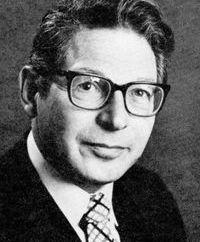
Edward S. Herman
Edward S. Herman

Edward S. Herman is an accomplished writer known for his work on political, economic, and social issues. Born on April 7, 1925, he is recognized for his critical thinking and insightful analysis of power structures in the media. more

You May Also Like

“Many of us regard ourselves as mildly liberal or centrist politically, voice fairly pleasant sentiments about our poor children, contribute money to send poor kids to summer camp, feel benevolent. We're not nazis; we're nice people. We read sophisticated books. We go to church. We go to synagogue. Meanwhile, we put other people's children into an economic and environmental death zone. We make it hard for them to get out. We strip the place bare of amenities. And we sit back and say to ourselves, "Well, I hope that they don't kill each other off. But if they do, it's not my fault.”

“There is ...a huge tacit conspiracy between the U.S. government, its agencies and its multinational corporations, on the one hand, and local business and military cliques in the Third World, on the other, to assume complete control of these countries and "develop" them on a joint venture basis. The military leaders of the Third World were carefully nurtured by the U.S. security establishment to serve as the "enforcers" of this joint venture partnership, and they have been duly supplied with machine guns and the latest data on methods of interrogation of subversives.”

“Throughout the twentieth century and into the beginning of the twenty-first, the United States repeatedly used its military power, and that of its clandestine services, to overthrow governments that refused to protect American interests. Each time, it cloaked its intervention in the rhetoric of national security and liberation. In most cases, however, it acted mainly for economic reasons-specifically to establish, promote and defend the right of Americans to do business around the world without interference.”

“There is nothing puzzling ... about America's gratuitously aggressive foreign policy or about the oligarchs' successful efforts to drag the Republic into five wars. What an aggressive foreign policy accomplishes by slow degrees, a state of war accomplishes in a trice. Overnight [war] kills reform, overnight it transforms insurgents into traitors and the Republic into an imperiled realm. Overnight it strangles free politics, distracts and overawes the citizenry. Overnight it blasts public hope.”