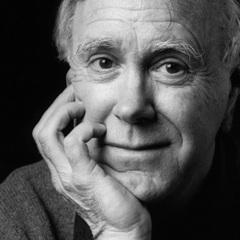
“There's very little solid research on readership, yet people make pronouncements about it all the time.” Quote by Robert Hass
“It seems like every ten years there's a book that says that poetry used to be popular, and now it's not, but we really have no way of knowing, in terms of relative size of audience and other things, exactly who readers were.” WayYearsBookSeemsUsedTermAudienceKnowingReaderTenSizeUsed To BeRelative Author:Robert Hass
“One thing we do know is that mass literacy is a product of the 19th century, at least in English-speaking cultures - Ireland, England, Scotland, Canada, and the U. S.” KnowsCultureOne ThingCenturyProductsMassEnglandCanadaIrelandScotlandLiteracy19th CenturyEnglish Speaking Author:Robert Hass
“You only had widespread literacy and books that people could afford in the middle of the 19th century. Did more people read poetry at the turn of the 20th century when there were about fifty million people?” PeopleBookTurnsMillionsMiddleCenturyFifty20th CenturyLiteracy19th Century Author:Robert Hass
“When Emily Dickinson's poems were published in the 1890s, they were a best-seller; the first book of her poems went through eleven editions of a print run of about 400. So the first print run out of Boston for a first book of poems was 400 for a country that had fifty million people in it. Now a first print run for a first book is maybe 2,000? So that's a five-time increase in the expectation of readership. Probably the audience is almost exactly the same size as it was in 1900, if you just took that one example.” PeopleIfsFirstsBookCountryRunningMillionsAudienceFiveExampleExpectationsIncreaseSizeFiftyPrintBostonElevenEmilySellersReadershipBest Sellers Author:Robert Hass
“I think one percent of the population attended college when Wallace Stevens and Robert Frost and Gertrude Stein were at Harvard. Now I think forty percent of Americans have some college education. That's an astronomical change.” ThinkingCollegePercentPopulationFortyHarvardFrostCollege EducationGertrude Author:Robert Hass
“In the beginning of the 19th century, maybe forty percent of women and fifty percent of men could produce a signature, which meant that they'd had at least three years of education because it was in third grade that people started penmanship in the 19th century. And of course black people could get killed if they got caught teaching themselves to read in some parts of the country.” PeopleIfsMenYearsCountryThreeCoursesBlackTeachingCenturyProducePercentThirdsCaughtFiftyGradesFortyBlack PeopleThree Years19th CenturySignaturesThird GradePenmanship Author:Robert Hass
“Literature, the study of literature in English in the 19th century, did not belong to literary studies, which had to do with Greek, Latin, and Hebrew, but instead with elocution and public speaking. So when people read literature, it was to memorize and to recite it.” PeopleLiteratureStudyCenturyGreekLatinPublic Speaking19th CenturyHebrewElocution Author:Robert Hass
“My suspicion is that once you have literacy in place, the readership has not changed very much.” ChangedSuspicionLiteracyReadership Author:Robert Hass
“My first book was published when I was thirty-two, so I think it was basically finished when I was thirty or thirty-one. And so then you think, "Well, what have you failed to do?" And my answer to myself was almost everything.” ThinkingFirstsWellsTwoBookAnswersFinishedThirty Author:Robert Hass
“Prose gets divided up into fiction and nonfiction and short fiction and long fiction and autobiographical nonfiction and so on. Poetry can do any of those things except with the added definition of intensified formal pressure.” LongCan DoFictionPressureDefinitionsProseDividedNonfictionFormalFiction And Nonfiction Author:Robert Hass