“Neither is life long enough for friendship. That is a serious and majestic affair.”
Quote by Ralph Waldo Emerson
Work
The Complete Works of Ralph Waldo Emerson: The conduct of life
The Complete Works of Ralph Waldo Emerson: The Conduct of Life is a comprehensive compilation of essays and lectures by the influential American philosopher and essayist. The volume delves into Emerson's thoughts on self-reliance, individualism, and the importance of personal integrity and moral conduct. It offers insights into his philosophical views and their application to everyday life. more
Author
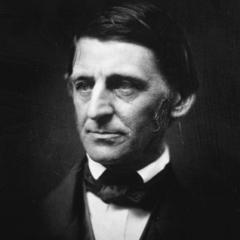
Ralph Waldo Emerson
American essayist, poet, and philosopher. Born on May 25, 1803, and died on April 27, 1882. Known for his transcendentalist philosophy, his works have had a profound impact on literature and the intellectual world. more
You May Also Like
Source: Early Lectures: 1838-1842
“The cheapness of man is every day's tragedy.”
Source: The Collected Works of Ralph Waldo Emerson: Representative men: seven lectures
“Genius, even, as it is the greatest good, is he greatest harm.”
Source: Self-Reliance and Other Essays
Source: Delphi Complete Works of Ralph Waldo Emerson (Illustrated)
Source: The Complete Works of Ralph Waldo Emerson: Comprising His Essays, Lectures, Poems, and Orations
Source: The Complete Works of Ralph Waldo Emerson: Nature addresses and lectures
Source: The Collected Works of Ralph Waldo Emerson: Society and solitude
Source: Representative Men: Seven Lectures