“The Aztec gods and goddesses are, as far as we have known anything about them, an unlovely and unlovable lot. In their myths there is no grace or charm, no poetry. Only this perpetual grudge, grudge, grudging, one god grudging another, the gods grudging men their existence, and men grudging the animals. The goddess of love is goddess of dirt and prostitution, a dirt-eater, a horror, without a touch of tenderness.”
Quote by D. H. Lawrence
Work
Delphi Complete Works of D.H. Lawrence (Illustrated)
The Delphi Complete Works of D.H. Lawrence (Illustrated) is a meticulously curated compilation of the renowned author's literary output. This collection offers readers a comprehensive view of Lawrence's writing, accompanied by illustrative elements that enrich the narrative. It includes novels, short stories, poetry, and essays, showcasing the breadth of Lawrence's literary achievements. more
Author
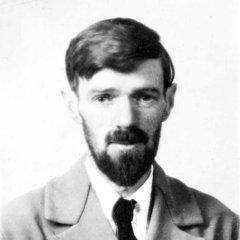
D. H. Lawrence
D. H. Lawrence was an English novelist and poet, born on September 11, 1885, and died on March 2, 1930. He is recognized for his distinctive prose style and his exploration of complex human relationships, particularly in the context of modernity and industrialization. His works often deal with themes of love, sex, and the struggle for individuality. more
You May Also Like
“In terms of personal choices, let's all think more carefully about where we get our protein from.”
Source: In the Presence of Fear: Three Essays for a Changed World
“Pranayama teaches the aspirant to regulate his breathing and thereby control the mind.”
Source: Breathe, You Are Alive!