“My devil had been long caged, he came out roaring”
Quote by Robert Louis Stevenson
Work
The Strange Case of Dr. Jekyll and Mr. Hyde, second edition
This second edition of Robert Louis Stevenson's renowned work delves into the psychological and moral complexities of a man who is both a respected physician and a violent criminal. more
Author
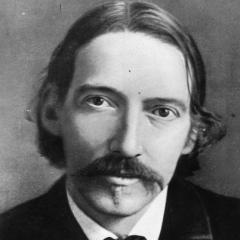
Robert Louis Stevenson
Robert Louis Stevenson was a 19th-century Scottish novelist, poet, travel writer, and essayist. His works are characterized by adventure and romance, with his most famous novels being 'Treasure Island' and 'The Adventure of the Treasure Island'. Stevenson's works have been beloved by readers and have had a profound impact on literature. more
You May Also Like
“Terrorism and deception are weapons not of the strong, but of the weak.”
Source: The Essential Gandhi: An Anthology of His Writings on His Life, Work, and Ideas
Source: Freedom's Battle: Being a Comprehensive Collection of Writings and Speeches on the Present Situation
Source: Social and Foreign Affairs in Iraq (Routledge Revivals)
“It is wrong and immoral to seek to escape the consequences of one's acts.”
Source: The Essential Writings
Source: He Follows Christ
“But no one has a right to coerce others to act according to his own view of truth.”
Source: All Men Are Brothers
“You create your own universe as you go along.”
Source: My Early Life: 1874-1904
Source: American Pastoral