Quotessence
Home / Quotes / Quote by Ken Kesey

Quote by Ken Kesey

“But the more I read... after awhile... I begin to find they were all writing about the same thing, this same dull old here-today-gone-tomorrow scene... Shakespeare, Milton, Matthew Arnold, even Baudelaire, even this cat whoever he was that wrote Beowulf... the same scene for the same reasons and to the same end, whether it was Dante with his pit or Baudelaire with his pot... the same dull old scene...”

Quote by Ken Kesey

Author
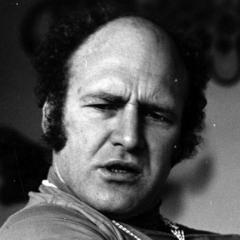
Ken Kesey
Ken Kesey

Ken Kesey was an influential American author best known for his anti-establishment novel 'One Flew Over the Cuckoo's Nest'. His works often delve into social and political issues, and are celebrated for their unique narrative style and profound insights. more

You May Also Like

“Walking the streets on winter nights kept him warm, despite the cold nocturnal passions of uprising winds. His footsteps led between trade-marked houses, two up and two down, with digital chimneys like pigs' tits on the rooftops sending up heat and smoke into the cold trough of a windy sky. Stars hid like snipers, taking aim now and again when clouds gave them a loophole. Winter was an easy time for him to hide his secrets, for each dark street patted his shoulder and became a friend, and the gaseous eye of each lamp glowed unwinking as he passed.”

“Life is very short. You have to know what is the single most important thing in your life; stay focused on the mission; everything else is secondary. Don't wait too long for the perfect condition to appear before taking action - there is no such thing as the ideal situation. You create the opportunity and make the most of the talent God has given you. At the end of your life, you want to look back and say, "It's been all worthwhile. I have tried my best."”

“He wondered how he could ever have thought of the planets, even of the Earth, as islands of life and reality floating in a deadly void. Now with a certainty which never after deserted him, he saw the planets - as mere holes or gaps in the living heaven - excluded and rejected wastes of heavy matter and murky air, formed not by addition to, but by subtraction from, the surrounding brightness.”

“Perhaps if human desire is said out loud, the urban planes, the prisons, the architectural mirrors will take off, as airplanes do. The black planes will take off into the night air and the night winds, sliding past and behind each other, zooming, turning and turning in the redness of the winds, living, never to return.”