“We continue, however, to write about important people, prize-winning people, blacks of grandeur, women of great fire, fame or wit. We do not write about ordinary people.”
Book:On Being a Teacher
“We continue, however, to write about important people, prize-winning people, blacks of grandeur, women of great fire, fame or wit. We do not write about ordinary people.”
This book explores the various aspects of teaching, including classroom management, curriculum development, and the personal growth of educators. more
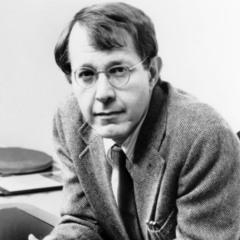
Jonathan Kozol (born September 5, 1936) is an American writer, educator, and civil rights activist, best known for his sharp critiques of inequality in the U.S. public education system. Born in Boston and a Harvard graduate, he taught in Chicago public schools, where witnessing racial segregation and resource disparities led him to advocate for educational equity. His seminal works, including 'Savage Inequalities' (1991) and 'Amazing Grace' (1995), expose the struggles of impoverished schools and have sparked national debate. Kozol's writing blends personal narrative with social analysis, emphasizing education as a fundamental human right. He has received awards such as the National Book Award and the Robert F. Kennedy Book Award, and continues to speak and write on educational justice. more
“The excellence of a thing is related to its proper function.”
“In everything, it is no easy task to find the middle.”
“We must become just be doing just acts.”
“It is no easy task to be good.”
“Life in the true sense is perceiving or thinking.”