“The poor young man must work for his bread; he eats; when he has eaten, he has nothing left but reverie. He enters God's theater free; he sees the sky, space, the stars, the flowers, the children, the humanity in which he suffers, the creation in which he shines. He looks at humanity so much that he sees the soul, he looks at creation so much that he sees God. He dreams, he feels that he is great; he dreams some more, and he feels that he is tender. From the egotism of the suffering man, he passes to the compassion of the contemplating man. A wonderful feeling springs up within him, forgetfulness of self, and pity for all. In thinking of the countless enjoyments nature offers, gives, and gives lavishly to open souls and refuses to closed souls, he, a millionaire of intelligence, comes to grieve for the millionaires of money. All hatred leaves his heart as all light enters his mind. And is he unhappy? No. The poverty of a young man is never miserable.”
Quote by Victor Hugo
Book:Les Misérables
Work
Les Misérables
Victor Hugo's 'Les Misérables' is an epic narrative that delves into the lives of various characters, including Jean Valjean, a former convict seeking redemption, and Fantine, a woman struggling in poverty. The story is rich in historical detail and moral complexity, offering a profound examination of society's flaws and the resilience of the human spirit. more
Author
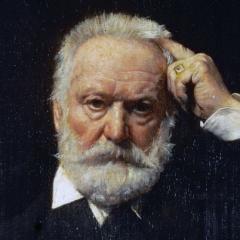
Victor Hugo
Victor Hugo, a French romantic poet, novelist, and playwright, was born on February 26, 1802, and died on May 22, 1885. He is considered one of the greatest writers in French literary history, known for his profound humanistic concerns and rich imagination. more
You May Also Like
“Say it,” I gritted out. “The High Lord of the Night Court is your mate.”
Source: A Court of Mist and Fury
Source: Full Circle
Source: A Moveable Feast
Source: The Great Hand Book of Quotes
Source: Goddess
Source: Lady Susan / The Watsons / Sanditon
Source: The Real Thief
Source: Full Circle
Source: The Irresistible Revolution: Living as an Ordinary Radical