“America's industrial success produced a roll call of financial magnificence: Rockefellers, Morgans, Astors, Mellons, Fricks, Carnegies, Goulds, du Ponts, Belmonts, Harrimans, Huntingtons, Vanderbilts, and many more based in dynastic wealth of essentially inexhaustible proportions. John D. Rockefeller made $1 billion a year, measured in today's money, and paid no income tax. No one did, for income tax did not yet exist in America. Congress tried to introduce an income tax of 2 percent on earnings of $4,000 in 1894, but the Supreme Court ruled it unconstitutional. Income tax wouldn't become a regular part of American Life until 1914. People would never be this rich again. Spending all this wealth became for many a more or less full-time occupation. A kind of desperate, vulgar edge became attached to almost everything they did. At one New York dinner party, guests found the table heaped with sand and at each place a little gold spade; upon a signal, they were invited to dig in and search for diamonds and other costly glitter buried within. At another party - possibly the most preposterous ever staged - several dozen horses with padded hooves were led into the ballroom of Sherry's, a vast and esteemed eating establishment, and tethered around the tables so that the guests, dressed as cowboys and cowgirls, could enjoy the novel and sublimely pointless pleasure of dining in a New York ballroom on horseback.”
Quote by Bill Bryson
Work
At Home: A Short History of Private Life
This book delves into the historical transformation of homes, examining how they have shaped our daily lives and social interactions throughout various eras. more
Author
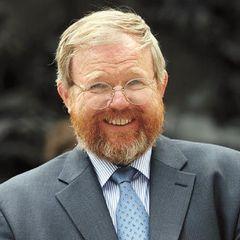
Bill Bryson
Bill Bryson, born on December 8, 1951, is a British author known for his humorous and knowledgeable writing. His works span across various fields, including travel literature, natural history, and science popularization. more
You May Also Like
Source: The Pleasures and Sorrows of Work
Source: Our Mutual Friend
Source: From The Meadows of Gold
Source: Capital
Source: The Money Plan: Creating Personal Wealth for a Secure Future
“The first rule in making money is not to lose it.”
Source: The Money Plan: Creating Personal Wealth for a Secure Future
Source: On the Nature of Things