“It's a mining town in lotus land.”
Quote by F. Scott Fitzgerald
Work
The Love of the Last Tycoon: The Authorized Text
This book is a meticulously reconstructed version of F. Scott Fitzgerald's unfinished novel, offering readers a detailed look into the author's exploration of the American Dream during the 1920s. The narrative delves into the complexities of ambition and the pursuit of power, set against the backdrop of the era's economic prosperity and social upheaval. more
Author
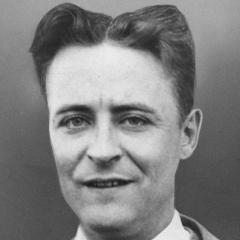
F. Scott Fitzgerald
F. Scott Fitzgerald was an American author of novels and short stories, renowned for his works that encapsulate the Jazz Age and the Roaring Twenties. His most celebrated novel, 'The Great Gatsby,' is a critical and commercial success, reflecting the themes of the American Dream and the decline of the American upper class. more
You May Also Like
Source: The Crack-up
Source: The Complete Works of F. Scott Fitzgerald: Novels, Short Stories, Poetry, Articles, Letters, Plays & Screenplays: From the author of The Great Gatsby, The Side of Paradise, Tender Is the Night, The Beautiful and Damned, The Love of the Last Tycoon, The Curious Case of Benjamin Button and many other notable works
Source: Collected Letters of F. Scott Fitzgerald: From the author of The Great Gatsby, The Side of Paradise, Tender Is the Night, The Beautiful and Damned, The Love of the Last Tycoon, The Curious Case of Benjamin Button and many other notable works
Source: The Complete Works of F. Scott Fitzgerald: Novels, Short Stories, Poetry, Articles, Letters, Plays & Screenplays: From the author of The Great Gatsby, The Side of Paradise, Tender Is the Night, The Beautiful and Damned, The Love of the Last Tycoon, The Curious Case of Benjamin Button and many other notable works
Source: De Quincey's Writings: Essays on philosophical writers and other men of letters. 1854-60. [v. 14 stereotyped