“I confess that I am not charmed with the ideal of life held out by those who think that the normal state of human beings is that of struggling to get on; that the trampling, crushing, elbowing, and treading on each other's heels, which form the existing type of social life, are the most desirable lot of human beings”
Quote by John Stuart Mill
Work
John Stuart Mill's Social and Political Thought: Critical Assessments
John Stuart Mill's Social and Political Thought: Critical Assessments is a scholarly collection that delves into the extensive body of work by the 19th-century philosopher. The volume offers in-depth analysis of Mill's theories on liberty, democracy, and social justice, drawing from a variety of critical perspectives. It covers his seminal texts, such as 'On Liberty' and 'Utilitarianism,' and places them within the broader context of his time. more
Author
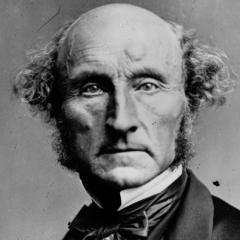
John Stuart Mill
John Stuart Mill was an influential British philosopher, economist, and logician. He is one of the most important figures in 19th-century philosophy and his ideas had a profound impact on political, social, and philosophical thought of the time. more
You May Also Like
Source: Human action: a treatise on economics
Source: Red Mars
“The critical question is not whether you'll have luck, but what you do with the luck that you get.”
“As in all successful ventures, the foundation of a good retirement is planning.”
Source: A collection of Essays and fugitive writings on moral, historical, polictical and literary subjects