“What is natural in me, is natural in many other men, I infer, and so I am not afraid to write that I never had loved Steerforth better than when the ties that bound me to him were broken. In the keen distress of the discovery of his unworthiness, I thought more of all that was brilliant in him, I softened more towards all that was good in him, I did more justice to the qualities that might have made him a man of a noble nature and a great name, than ever I had done in the height of my devotion to him.”
Quote by Charles Dickens
Work
Four Novels: Great Expectations, David Copperfield, A Tale of Two Cities, and Hard Times
This compilation includes four of Charles Dickens' most renowned works: 'Great Expectations', 'David Copperfield', 'A Tale of Two Cities', and 'Hard Times'. Each novel explores themes of social class, morality, and human nature through vivid storytelling and memorable characters. more
Author
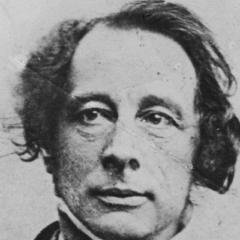
Charles Dickens
Charles Dickens, a British writer born on February 7, 1812, and died on June 9, 1870, is one of the greatest novelists of the 19th century. Known for his profound social criticism and vivid narrative style, Dickens' works extensively cover social reality, revealing various issues in the British society of the time. more
You May Also Like
“... what such people miscall their religion, is a vent for their bad humours and arrogance.”
Source: David Copperfield
Source: The Personal History of David Copperfield
Source: Charles Dickens's works. Charles Dickens ed. [18 vols. of a 21 vol. set. Wanting A child's history of England; Christmas stories; The mystery of Edwin Drood].
Source: A Cyclopedia of the Best Thoughts of Charles Dickens
Source: Barnaby Rudge, And, Hard Times: With Ten Illustrations
Source: LITTLE DORRIT
“She had gained a reputation for beauty, and (which is often another thing) was beautiful.”
Source: Delphi Complete Works of Charles Dickens (Illustrated)
Source: LITTLE DORRIT
Source: Charles Dickens's works. Charles Dickens ed. [18 vols. of a 21 vol. set. Wanting A child's history of England; Christmas stories; The mystery of Edwin Drood].