Quotessence
Home / Quotes / Quote by Dietrich Bonhoeffer

Quote by Dietrich Bonhoeffer

“As God adds his 'Yes' to your 'Yes,' as he confirms your will with his will, and as he allows you, and approves of, your triumph and rejoicing and pride, he makes you at the same time instruments of his will and purpose both for yourselves and for others. In his unfathomable condescension God does add his 'Yes' to yours; but by doing so, he creates out of your love something quite new - the holy estate of matrimony.”

Quote by Dietrich Bonhoeffer

Work

Letters Papers from Prison

This compilation includes letters, essays, and other documents penned by an individual while incarcerated, offering insights into their thoughts, experiences, and reflections on their situation. more

Author
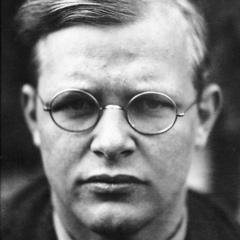
Dietrich Bonhoeffer
Dietrich Bonhoeffer

German pastor, theologian, philosopher, and member of the resistance against the Nazis. Born on February 4, 1906, in Germany, he was executed on April 9, 1945 in a concentration camp. more

You May Also Like

“In a word, live together in the forgiveness of your sins, for without it no human fellowship, least of all a marriage, can survive. Don't insist on your rights, don't blame each other, don't judge or condemn each other, don't find fault with each other, but accept each other as you are, and forgive each other every day from the bottom of your hearts.”

“And above all, you must be asking which door is the true one; not which pleases you best by its paint and panelling…the question should never be: ‘Do I like that kind of service?’ but ‘Are these doctrines true: Is holiness there? Does my conscience move me towards this? Is my reluctance to move to this door due to my pride, or my mere taste, or my personal dislike for this particular door-keeper?”

“Is it not the great end of religion, and, in particular, the glory of Christianity, to extinguish the malignant passions; to curb the violence, to control the appetites, and to smooth the asperities of man; to make us compassionate and kind, and forgiving one to another; to make us good husbands, good fathers, good friends; and to render us active and useful in the discharge of the relative social and civil duties?”

“I have received no assurance that anything we can do will eradicate suffering. I think the best results are obtained by people who work quietly away at limited objectives, such as the abolition of the slave trade, or prison reform, or factory acts, or tuberculosis, not by those who think they can achieve universal justice, or health, or peace. I think the art of life consists in tackling each immediate evil as well as we can.”