“Rapt into still communion that transcends The imperfect offices of prayer and praise, His mind was a thanksgiving to the power That made him; it was blessedness and love!”
Quote by William Wordsworth
Work
The Poetical Works of William Wordsworth, Etc
This book is a compilation of William Wordsworth's most renowned poems, showcasing his evolution as a poet from early works to later compositions. It includes selections from his early volumes such as 'Lyrical Ballads' and 'Poems in Two Volumes,' as well as his later works like 'The Prelude' and 'The Excursion.' The collection reflects Wordsworth's deep engagement with nature, his contemplation of human emotions, and his exploration of the Romantic ideal. more
Author
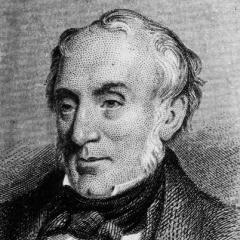
William Wordsworth
William Wordsworth was an English Romantic poet, born on April 7, 1770, in Cockermouth, and died on April 23, 1850. His poetry is renowned for its depiction of natural landscapes and profound expression of personal emotions and inner world. more
You May Also Like
“Pansies, lilies, kingcups, daisies, Let them live upon their praises.”
Source: Complete Poetical Works
Source: Complete Poetical Works
Source: The Complete Poetical Works of William Wordsworth: Together with a Description of the Country of the Lakes in the North of England
Source: The Complete Poetical Works of William Wordsworth: Together with a Description of the Country of the Lakes in the North of England, Now First Published with His Works ...
Source: The Collected Poems of William Wordsworth