“What really counts is not the immediate act of courage or of valor, but those who bear the struggle day in and day out - not the sunshine patriots but those who are willing to stand for a long period of time.”
Quote by John F. Kennedy
Work
Public Papers of the Presidents of the United States: John F. Kennedy, 1962
This volume includes a wide range of documents reflecting the policies and priorities of the Kennedy administration, showcasing the President's approach to various domestic and international issues. more
Author
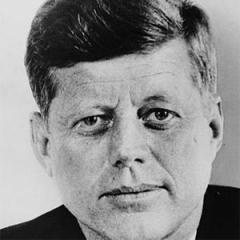
John F. Kennedy
John F. Kennedy was the 35th President of the United States, serving from 1961 to 1963. His presidency was marked by the Civil Rights Act, the New Frontier policy, and the intense Cold War confrontation with the Soviet Union. Kennedy was known for his youthful charm and charisma, but his assassination during his term shocked the world. more
You May Also Like
Source: Man's Search for Himself
Source: Man's Search for Himself
Source: The Courage to Create
Source: The Courage to Create
“Leve fit quod bene fertur onus. The burden which is well borne becomes light.”
“Come one, come all! this rock shall fly From its firm base, as soon as I.”
Source: The Complete Works of Sir Walter Scott: With a Biography, and His Last Additions and Illustrations
Source: Apophthegms from the plays of Shakespeare, by C. Lyndon
“O, the blood more stirs To rouse a lion than to start a hare!”