“[The] events by which the fate of nations is not materially changed, leave a faint impression on the page of history, and the patience of the reader would be exhausted by the repetition of the same hostilities [between Rome and Persia], undertaken without cause, prosecuted without glory, and terminated without effect.”
Quote by Edward Gibbon
Work
The Decline and Fall of the Roman Empire (Edited and Abridged): Abridged Edition
This book is a seminal work in the field of history, offering a detailed account of the decline and fall of the Roman Empire. The abridged edition presents the key events and insights from Edward Gibbon's original work, making it accessible to modern readers. more
Author
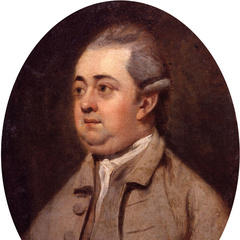
Edward Gibbon
Edward Gibbon was an English historian renowned for his magnum opus, 'The History of the Decline and Fall of the Roman Empire'. His work has had a profound impact on historical studies. more
You May Also Like
Source: The History of the Decline and Fall of the Roman Empire
Source: The Modern Library Essential World History 4-Book Bundle: The Decline and Fall of the Roman Empire (Abridged); Montcalm and Wolfe; History of the Conquest of Mexico; The Naval War of 1812
Source: The Collected Works of Edward Gibbon: Historical Works, Autobiographical Writings and Private Letters, Including The History of the Decline and Fall of the Roman Empire
Source: The Essential Franklin Delano Roosevelt
Source: The History of the Decline and Fall of the Roman Empire
Source: The Complete Works of George Orwell: I belong to the Left: 1945