“... there has never been a period in history when there have been necessary killings which has not been instantly followed by a period when there have been unnecessary killings.”
Quote by Rebecca West
Work
The strange necessity: essays by Rebecca West
This book features a selection of essays written by Rebecca West, exploring various themes and ideas with her characteristic wit and insight. more
Author
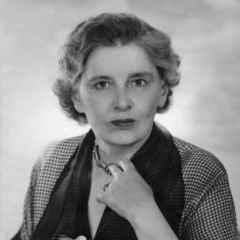
Rebecca West
Rebecca West, born Cecil William James on December 21, 1892, and died on March 15, 1983, was a prominent British author of the 20th century. Known for her profound social insight and unique literary style, she left a lasting impact on the world of literature. more
You May Also Like
Source: The strange necessity: essays by Rebecca West
Source: The Strange Necessity: Essays and Reviews
Source: The Strange Necessity: Essays and Reviews
Source: The Strange Necessity: Essays and Reviews
Source: The Strange Necessity: Essays and Reviews
Source: The Strange Necessity: Essays and Reviews
Source: The strange necessity: essays by Rebecca West
Source: The Strange Necessity: Essays and Reviews
Source: The Strange Necessity: Essays and Reviews