“A sound does not view itself as thought, as ought, as needing another sound for its elucidation, as etc.; it has not time for any consideration--it is occupied with the performance of its characteristics: before it has died away it must have made perfectly exact its frequency, its loudness, its length, its overtone structure, the precise morphology of these and of itself.”
Quote by John Cage
Work
Silence: Lectures and Writings
This book presents a series of lectures and written works from John Cage, the pioneering American experimental composer renowned for his innovative approach to music and sound. The collection offers insights into Cage's artistic philosophy, his experimental methods, and his unconventional perspectives on the creative process. Through various essays and lectures, Cage discusses concepts related to silence, chance, and the boundaries of musical artistry. As one of the influential figures in twentieth-century avant-garde music, Cage challenged traditional musical conventions and explored the relationship between sound, environment, and performer. The writings reflect his engagement with Eastern philosophical ideas and his collaborative work with artists including Merce Cunningham. The book provides readers with an opportunity to understand the intellectual foundation behind Cage's groundbreaking musical compositions and his lasting impact on contemporary music and art. more
Author
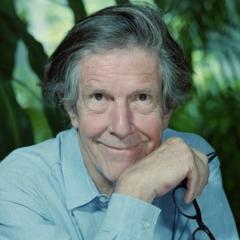
John Cage
John Cage (September 5, 1912 - August 12, 1992) was an American composer, music theorist, writer, and experimental musician. Known for his unique approach to music composition and exploration of sound, Cage's works often broke the boundaries of traditional music, profoundly influencing modern music. more
You May Also Like
Source: Silence: Lectures and Writings
“I prefer that laughter shall take me unawares. Only so can it master and dissolve me.”
Source: The Prince of Minor Writers: The Selected Essays of Max Beerbohm
Source: And Even Now: And, A Christmas Garland
Source: The Prince of Minor Writers: The Selected Essays of Max Beerbohm
Source: And Even Now
“But to die of laughter--this, too, seems to me a great euthanasia.”
Source: The Prince of Minor Writers: The Selected Essays of Max Beerbohm
“Men of genius are not quick judges of character.”
Source: The Prince of Minor Writers: The Selected Essays of Max Beerbohm
Source: The Prince of Minor Writers: The Selected Essays of Max Beerbohm
Source: Zuleika Dobson: An Oxford Love Story