“No one loves me, - no one cares for me, but you, mother.”
Quote by Elizabeth Gaskell
Work
Delphi Complete Works of Elizabeth Gaskell (Illustrated)
The Delphi Complete Works of Elizabeth Gaskell (Illustrated) is a meticulously curated compilation featuring all the literary contributions of Elizabeth Gaskell, a prominent figure in Victorian literature. This collection is enhanced with illustrations that aim to enrich the reading experience, offering a visual complement to Gaskell's timeless narratives. The works within this collection are believed to encompass her most celebrated novels and short stories, providing readers with a comprehensive view of her writing career. more
Author
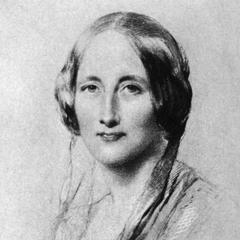
Elizabeth Gaskell
Elizabeth Gaskell was a British novelist born on September 29, 1810, in Manchester. Her works primarily depicted the social life of Britain during the Industrial Revolution, focusing on the lives of the working class. Gaskell is renowned for her delicate emotional portrayal and profound social insight, with notable works including 'Mary Barton' and 'North and South'. more
You May Also Like
Source: Definitely Dead: A Sookie Stackhouse Novel
Source: Gone
“Just because things hadn't gone the way I had planned didn't necessarily mean they had gone wrong.”
Source: What Now?
Source: Northanger abbey [followed by] Persuasion
Source: Relentless (Dominion Trilogy Book #1)
Source: Looking for Spinoza: Joy, Sorrow, and the Feeling Brain
“His mind was indeed my library, and whenever it was opened to me, I entered bliss.”
Source: Villette: Easyread Edition