“The eating of meat was unknown up to the big flood, but since the flood they have put the strings and stinking juices of animal meat into our mouths, just as they threw in front of the grumbling sensual people in the desert. Jesus Christ, who appeared when the time had been fulfilled, has again joined the end with the beginning, so that it is no longer allowed for us to eat animal meat.”
Quote by St. Jerome
Author
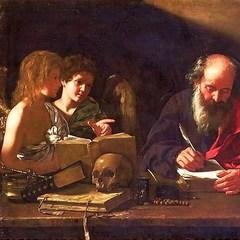
St. Jerome
St. Jerome (c. 347 – September 30, 420) was an early Christian Latin Church Father, biblical scholar, and translator. He is best known for his translation of the Bible from Greek and Hebrew into Latin, known as the Vulgate, which became the standard Bible for the Latin Church in the Middle Ages. Born in Stridon (modern-day Croatia or Slovenia), Jerome studied rhetoric and philosophy in Rome. He lived an ascetic life and established a monastery near Bethlehem, dedicating himself to scholarship and biblical commentary. His works include numerous letters, commentaries, and theological treatises, deeply influencing Western Christian thought. Jerome is venerated as a saint by the Catholic Church, Eastern Orthodox Church, Lutheranism, and Anglicanism, with his feast day on September 30. He is often depicted as a hermit with a lion, symbolizing his connection with nature and the divine. more
You May Also Like
Source: ספר העקרים: book of principles
Source: Memoirs, 4: Correspondence and Private Papers
“The habit of shedding blood, or even of seeing it shed, corrupts all sentiment of humanity.”
Source: Religion and Art