“If we refuse our homage to statues and frigid images, the very counterpart of their dead originals, with which hawks, and mice, and spiders are so well acquainted, does it not merit praise instead of penalty [Christians were punished for not worshiping Roman gods] that we have rejected what we have come to see is error? We cannot surely be made out to injure those whom we are certain are nonentities. What does not exist is in its nonexistence secure from suffering.”
Quote by Tertullian
Author
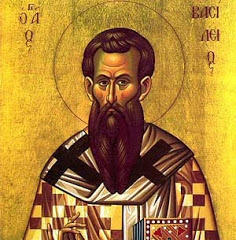
Tertullian
Tertullian, born around 160 and died around 220, was a prominent Christian theologian, philosopher, and author during the Roman Empire. His works had a profound impact on the development of Christian theology, especially his writings such as 'Apology' and 'On the Resurrection', which are still widely studied today. more
You May Also Like
Source: Official Letters to the Honorable American Congress,: Written, During the War Between the United Colonies and Great Britain, by His Excellency, George Washington, Commander in Chief of the Continental Forces, Now President of the United States
Source: The Writings of George Washington: Being His Correspondence, Addresses, Messages, and Other Papers, Official and Private, Selected and Published from the Original Manuscripts; with a Life of the Author, Notes, and Illustrations
Source: The works of Alexander Pope. With a selection of explanatory notes, and the account of his life by dr. Johnson
“Wit is as infinite as love, and a deal more lasting in its qualities.”
Source: Points of View